
24 of the best autumn flowers
As the days grow shorter and the leaves begin to turn, the arrival of autumn brings with it a breathtaking display of nature's beauty through a kaleidoscope of vibrant hues.
With their rich colours and delicate petals, autumn flowers add a touch of warmth to the cooling landscape. From the iconic chrysanthemums - the undisputed queens of autumn - to the graceful cyclamens, the world of autumn flowers is a captivating realm worth exploring.
Follow us on a journey to discover the best autumn flowers, each adorned with unique features and symbolic meanings, making them perfect choices to brighten up your gardens and houses.
Buy autumn flowers – order them online and have them delivered right to your doorstep.
24 of the best plants that flower in autumn
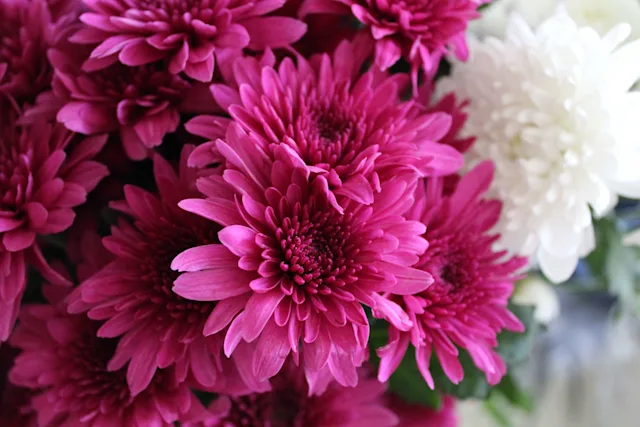
1. Chrysanthemum
Blooming Time: Late summer to autumn
Chrysanthemums come in many shapes and colours, ranging from daisy-like, pompom, to spider-shaped blooms in shades of yellow, red, orange, and pink.
They are symbols of joy, longevity, and fidelity in different cultures. In Japan, they are the national flower and represent the Emperor's family.
Chrysanthemums' diverse forms and vibrant colours make them perfect for adding texture and a pop of colour to bouquets, creating stunning autumn floral displays. It's also the November birth flower.
2. Autumn Crocus
Blooming time: Early to mid-autumn
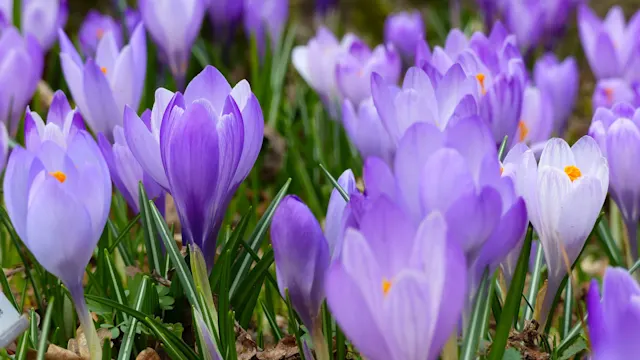
As other plants begin to fade, the delicate, cup-shaped autumn crocuses emerge directly from the ground without any foliage, seemingly appearing out of nowhere.
They come in a delightful range of colours, including shades of purple, pink, and white.
3. Dahlia
Blooming time: Late summer to autumn
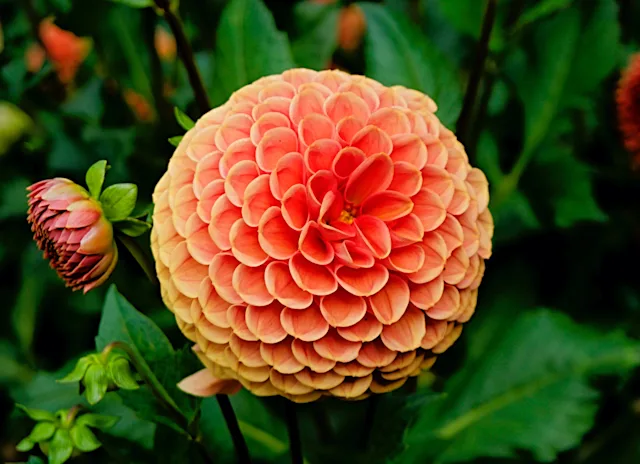
Dahlia flowers are large, showy blooms with a wide variety of forms, including single, double, pompon, and cactus-shaped, in colours ranging from bold reds and oranges to soft pinks and purples. With such a diverse palette, dahlias can complement any floral arrangement.
Dahlias were originally grown as a food crop by the Aztecs in Mexico. They were introduced to Europe in the 19th century and quickly became popular garden flowers.
4. Pansy
Blooming time: From late summer to autumn, and can even last through winter in milder climates
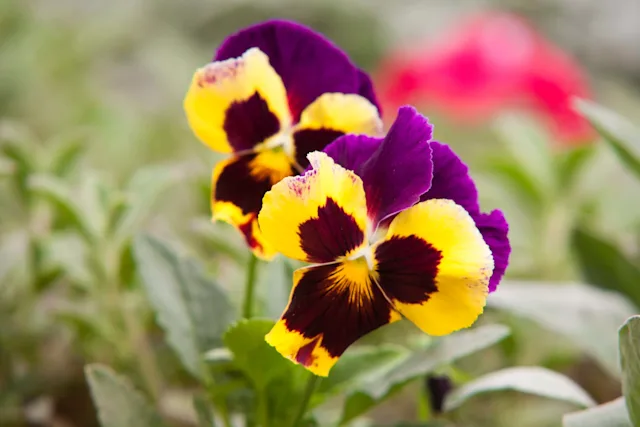
Pansies are cute and tiny flowers, and some of them have these adorable little "faces" on their petals that look like they're smiling at you. They come in many colours, like bold purples, sunny yellows, and sweet pinks.
They are named after the French word "pensée," meaning "thought”, and in the language of flowers, pansies convey messages of loving thoughts and remembrance. The perfect flowers to tell someone you’re thinking about them.
5. Aster
Blooming time: Late summer to autumn
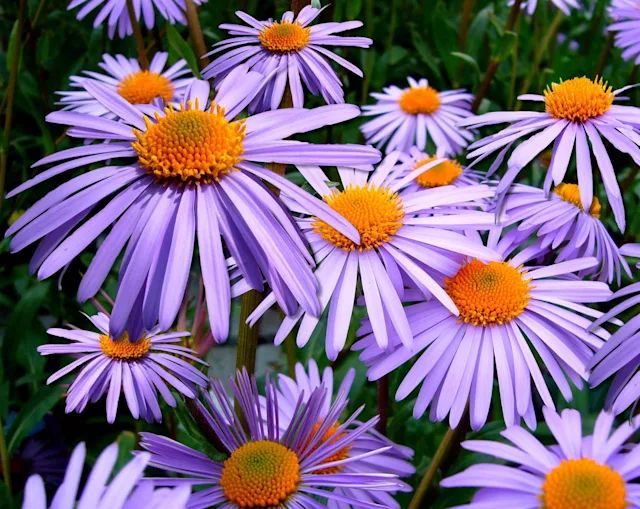
Asters have a daisy-like appearance with a gorgeous central disk surrounded by rays of petals, like they're little starbursts. They come in shades of blue, purple, pink, and white.
Asters are named after stars because they look just like them. In Greek mythology, they're connected to Astraea, the goddess of innocence and purity, who turned into the Virgo constellation.
6. Cyclamen
Blooming time: Autumn
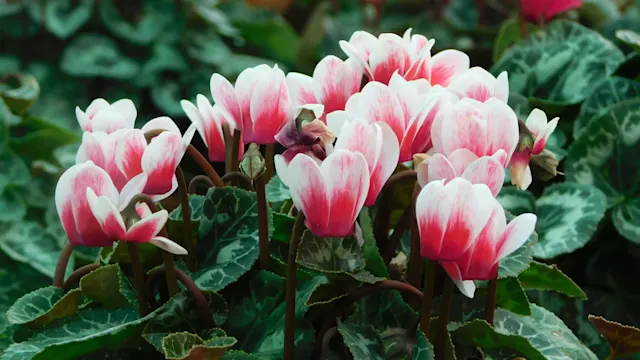
With elegantly swept-back petals in shades of pink, purple, and white, cyclamens look like graceful shooting stars, adding an element of magic to any setting.
In the language of flowers, they represent resignation and goodbye. In ancient times, these flowers were even associated with Hades, the god of the underworld, believed to have sprung forth from his tears, which adds a touch of mystery to their allure.
7. Sunflower
Blooming time: During summer and into autumn
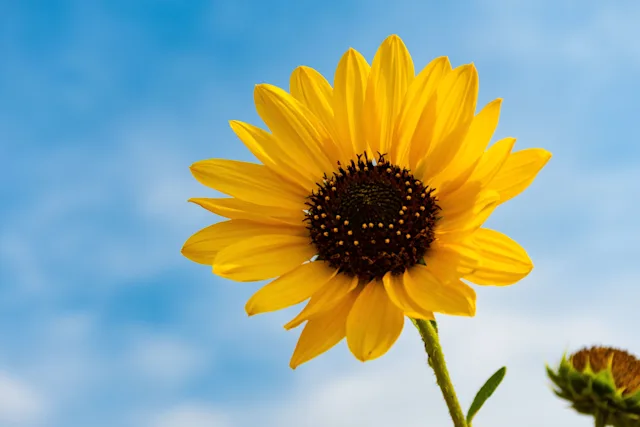
Sunflowers’ golden-yellow colour is simply captivating. These flowers are like a burst of sunshine in the garden. Standing tall on sturdy stalks, sunflowers look strong and resilient, reaching for the sky and spreading their cheerfulness wherever they bloom.
Sunflowers symbolise adoration, loyalty, and admiration, making them a popular choice for expressing heartfelt emotions. In various cultures, sunflowers are associated with positivity, happiness, and the sun, representing warmth and growth. The perfect flower to bring light into a room and a smile on the recipients’ face.
Read: The Meaning, History and Symbolism of Sunflowers
8. Zinnia
Blooming time: Late spring to autumn
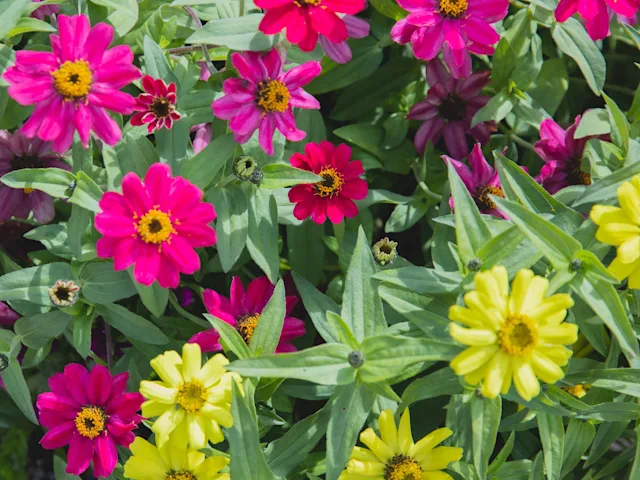
Zinnias come in different shapes, with single, double, and dahlia-like blooms, and in many colours from bold reds and oranges to soft pinks, purples, and sunny yellows.
Native to Mexico and the southwestern United States, zinnias were sacred to the Aztecs and were cultivated by Native Americans for various medicinal purposes.
Zinnias are also symbols of endurance and lasting affection, making them a beautiful representation of friendship and lasting bonds.
9. Rose
Blooming time: Late spring to early autumn
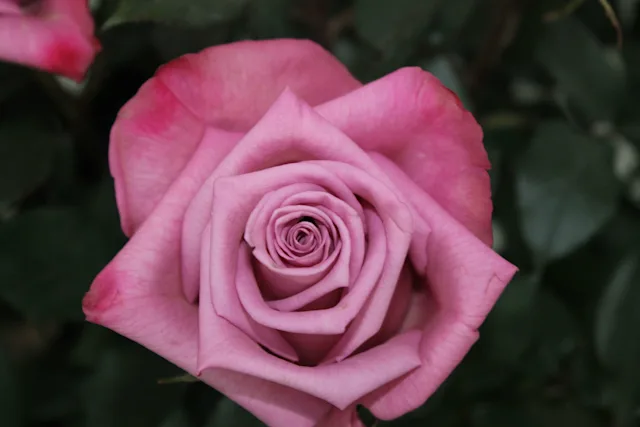
Probably the most popular flower all year round, roses come in many colours, ranging from passionate reds to delicate pinks, sunny yellows, pure whites, and more.
They are the ultimate expression of love and passion, with their rich meanings dating back to ancient civilisations. Different coloured roses carry unique messages, with red symbolising love, pink representing gratitude, and yellow conveying friendship and joy.
Shop rose bouquets
Read: The Meaning of Roses
10. Coneflower
Blooming Time: From mid to late summer and through autumn
Coneflowers (also known as echinacea), are known for their distinctive cone-shaped centres surrounded by ray-like petals in colours like pink, purple, white, and orange. They look a lot like daisies with a unique and bold twist.
Coneflowers have a rich history as medicinal plants used by Native Americans for various healing purposes. Today, they are often associated with strength, healing, and longevity, symbolising resilience and hope, the perfect gift for someone going through a rough patch.
11. Chinese Lantern
Blooming time: Late summer and into autumn
Chinese lanterns, also known as physalis or "ground cherry", have bright orange-red husks, resembling miniature paper lanterns, which contain small berry-like fruits.
Once the husks dry out, they can be used in decorative crafts, adding an autumnal touch to DIY projects and seasonal decor.
12. Guernsey Lily
Blooming time: Late summer through autumn
Guernsey lilies have stunning, lily-like flowers with long, delicate petals that come in shades of pink, white, and crimson.
They are native to South Africa, but were introduced to the Channel Island of Guernsey, where they got their common name. Today, they are associated with femininity, grace, and affection, making them a symbol of love and appreciation.
13. Japanese Anemone
Blooming time: Late summer and through autumn
Japanese anemones showcase delicate, cup-shaped flowers with a prominent central disk, available in colours like white, pink, and soft shades of lavender.
In Japan, they represent good luck and looking forward to the future. And in the flower language, they're the symbol of a love that didn't quite make it – adding a touch of mystery to their charm.
14. Sedum
Blooming time: Late summer and through autumn
Sedums (often referred to as "Stonecrop") are characterised by fleshy, succulent leaves and clusters of small, star-shaped flowers. Their colours range from shades of pink, purple, and white to rich hues of deep burgundy and red.
In folklore, sedums were believed to ward off evil spirits and were used as protective plants. Nowadays, they are good additions to gardens, as they attract bees and butterflies.
15. Helenium
Blooming time: Late summer through autumn
Heleniums feature daisy-like flowers with vibrant colours ranging from shades of yellow, orange, and red to deep mahogany tones.
Heleniums are often called "sneezeweed" due to their historical use as a nasal irritant in traditional medicine. But, they are not harmful if sniffed today!
16. Phlox
Blooming time: Late summer through autumn
Phlox flowers form clusters of small, star-shaped blooms and come in vibrant hues of pink, purple, white, and red.
Beyond their stunning appearance, phlox carries meaningful symbolism. It represents sweet dreams and harmony, bringing positive energy and tranquillity to the surroundings.
17. Witch Hazel
Blooming time: Autumn
Witch hazel flowers are small, spidery, and appear in clusters with slender, ribbon-like petals. Their colours range from warm yellows to fiery oranges.
Its name "witch hazel" comes from the Old English word "wice," meaning "bendable," as its branches were used for dowsing rods in divination practices.
18. Cock’s Comb
Blooming time: Late summer through autumn
Cock's comb flowers have bright, velvety, and crested heads that look like a rooster's comb, coming in shades of red, pink, orange, and gold.
In terms of symbolism, cock's comb is often associated with affection and warm feelings, making it a popular choice for expressing love and devotion on special occasions and celebrations.
19. Butterfly Bush
Blooming time: Summer through autumn
Butterfly bushes feature long, cone-shaped flower clusters in colours like purple, pink, white, and blue.
As the name suggests, butterfly bushes are magnets for butterflies, bees, and other pollinators, making them essential for a wildlife-friendly garden. They are also believed to symbolise transformation and change, reflecting the metamorphosis that butterflies undergo.
20. Monkshood
Blooming time: Late summer through autumn
Monkshood flowers are hooded and helmet-shaped, like the cowls worn by mediaeval monks. They come in shades of blue, purple, and white.
Monkshood is a highly poisonous plant, historically used as a poison for hunting and warfare. But, it also has medicinal uses in traditional medicine.
21. Turtlehead
Blooming time: Late summer through autumn
Turtlehead flowers are shaped like… turtle heads, with two petals forming a "snapping turtle" mouth. They come in shades of pink and white.
Turtleheads are native to North America and are an important nectar source for bees and butterflies. In the language of flowers, they symbolise grace and elegance.
22. Beautyberry
Blooming time: Late summer and early autumn
Beautyberry is known for its clusters of bright, glossy purple or magenta berries that form along the stems, creating a stunning display against its green foliage.
Native Americans and early settlers used its leaves and berries for various medicinal purposes, including insect repellent and remedies for various ailments.
23. Clematis
Blooming time: Late summer and autumn
Clematis flowers come in a wide variety of shapes and colours, ranging from delicate bell-shaped blooms to star-like and saucer-shaped flowers in shades of white, pink, purple, and blue.
Clematis is often associated with creativity and inspiration, making it a popular choice for artists and gardeners alike. It has a rich history, dating back to ancient times, and was cherished by Victorian gardeners for its captivating beauty.
24. Goldenrod
Blooming time: Late summer through autumn
Goldenrod is like a burst of sunshine in the garden with its tall, feathery spikes of tiny golden-yellow flowers.
Goldenrod is often misunderstood as a cause of hay fever, but it's actually not an allergen; its pollen is too heavy to be airborne. In folklore, goldenrod is associated with good luck and prosperity, making it a symbol of joy and abundance.