
Your guide to indoor plant care
New to plant care and not sure where to start? Let our plant experts tell you all that you’ll need to know. From watering and fertilising, to choosing the perfect home for them, this guide will teach you how to keep your plants thriving for as long as possible. And for more care tips about your specific plant, make sure you check the booklet inside your Bloom & Wild box.

Watering
Just like you, your plant gets thirsty too.
How often should I water my plants?
Because each plant is different, there’s no one rule to follow on how often to water them. Though, the most important thing to remember is that you should never overwater your plant. Overwatering can cause the plant to rot and unless you act fast, it won’t recover. Typically, your plant will need to be watered more often in the summer and less frequently during the colder months. You’ll find all the info on how often your specific plant gets thirsty /how much water to give them each time in its care card.
How can I tell when my plants are thirsty?
Most plants won’t show you that they need a drink until it’s too late. So our top tip is to check the soil of your plant. Take your finger and press down into the top 1-2 inches. If the soil feels dry, then give it some water. If it’s moist, leave it for a few days before watering it again.
What's the best way to water my plant?
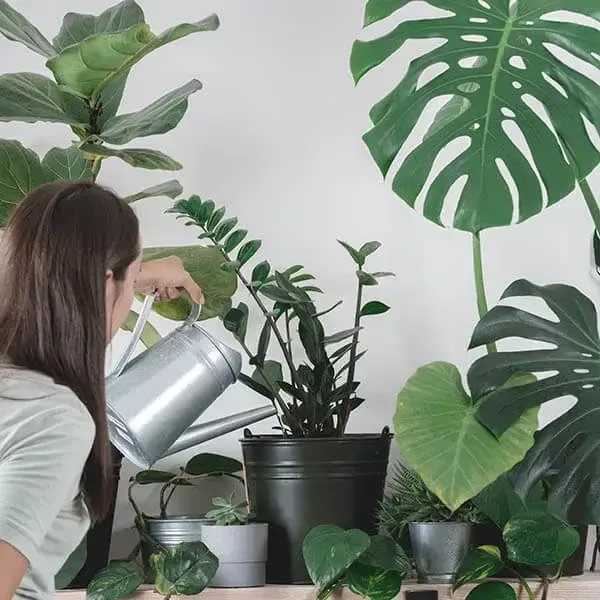
If you want to avoid getting water all over your surfaces, pop your plant in the sink or shower to water it. Leave it there for a few minutes so it can drain, then wipe the bottom of the pot. For a hanging plant, just leave it to hang over the sink for 15-20 minutes so it can drip dry.
Light
Our top tip: choose your plant based on how much light your home gets.
How much light does my plant need?
As with watering, the amount of light your plant will need depends on the type you get. Pothos aren’t fussy plants and will do just as well in rooms with low light as they will in those with all day sunshine. But pachira money trees, aloe vera and pineapple plants are real sun-worshippers so they’ll be happiest somewhere bright.
What plants like shade?
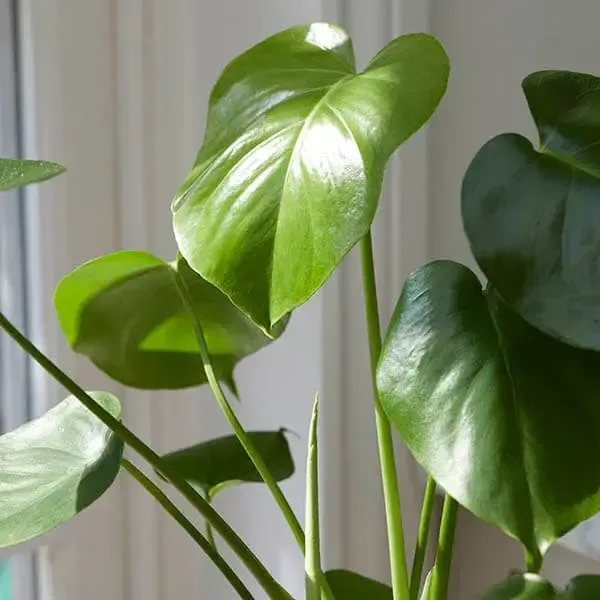
If your home doesn’t get a lot of natural light, don’t worry. You can still enjoy the life and colour indoor plants bring as there are plenty that love a shady spot. Boston ferns, monstera, rubber plants, peace lilies and snake plants can all thrive in the shade.
What’s the difference between direct, high, medium and low light?
There are 3 main ways to categorise light sources - low light, medium light and high/direct light. Rooms that are north-facing, have small windows or are shaded by trees outside are all considered to be low light. Medium light can come from a large or eastern-facing window, or in a room that gets lots of natural light throughout the day. This type is many plants' favourite. And high light when the sun shines directly through your window and touches your plants for at least 5-6 hours each day. This type is best for cacti, succulents or other tropical plants that thrive in the heat!
Soil & Food
Give your plants the nutrients they need to keep growing.
What’s the best soil for indoor plants?
As your plant family grows, you’ll soon discover that soil isn’t one size fits all. Succulents prefer a coarse, well-drained soil. But ferns like soil with a high humus content (decomposed leaves). Generally, a good indoor soil will contain peat moss, vermiculite (a type of mineral) and perlite (volcanic glass) as these absorb moisture well and are compact. But they do dry out pretty quickly so keep an eye on it every few days for watering.
How often do I need to feed my indoor plants?
It’s best to give your plants some fertiliser during the spring and summer months, since this is when most plants do most of their growing. We’d say that you should feed your plants every two weeks during these months.
How do I prepare soil for planting?
You really want to make the most out of preparing your soil - your plant will thank you for it. To enrich the soil, cover it with some organic compost and some mulch to give it an extra boost of nutrients. You’ll also need to water your soil before planting anything in it, to help your plants root and grow well.
Repotting
As your plant grows, it’ll eventually need a new home.
How to repot a plant?
Though it may seem intimidating, repotting your plant is really easy. And essential if you want your plant to thrive. First, you’ll need to fill a bigger planter with soil, making a little well in the middle. Then, gently remove your plant from the pot it came in, being really careful not to damage its roots. You may need to give the bottom of the pot a few taps. Next, pop the plant into the hole, straighten it and cover with a few more inches of soil. Pat the soil down firmly to make sure the plant won’t budge. Give it a quick water and you’re all done.
How to propagate a plant?
There are a few different ways you can propagate a houseplant. The most popular way is by taking a leaf-cutting, then dipping it in rooting powder before placing it back in some moist soil so it can grow. You can also try stem cutting - cut off 3-5 inches just below where the leaf meets the stem, dust it with rooting powder again and place it in potting soil. Depending on the type of plant, you may find it works better to put the end of cutting in a jar of cold water and wait for the roots to start showing before you plant it properly.
Climate
Knowing which climate your plant likes best is key to helping it thrive all year round.
How do I increase the humidity for my plants?
During the cool, dry months you’ll likely have to up the humidity in your home to keep your plants happy. Luckily, this is really easy to do. Some plants prefer to be misted regularly - all you’ll need is a spray bottle. Pebble trays might work best for others. These increase the moisture in the air around the plant. Humidifiers are another great way of adding moisture to your room. And they’re good for plants and humans alike. Or, simply place your plants in a more humid room like the kitchen or bathroom.
How do I take care of plants in the summer?
Because most plants do all of their growing in the summer, it should go without saying that they’ll get thirsty more quickly. So you’ll need to check the soil for moisture often. And just like us, plants can get sun burnt too. If yours likes lower light conditions, keep it somewhere shady and cool. You’ll also need to prune the plants too, getting rid of any unhealthy leaves or branches so more can grow.
How do I take care of plants in the winter?
Over the winter, many plants will take a little rest from growing. So they naturally won’t need to be watered as often as usual. If you can, move your plants into a more sunny spot too. As the days in winter are shorter, it’s important to maximise the amount of light they get. You’ll also need to make sure the room you keep them in is between 12-18°C and that they’re not near any windows during the night.
Maintenance
Care that goes beyond the minimum needed to keep your plant alive.
How long will my plants survive?
The lifespan of your plant depends on how well you look after it. Some, like our rubber plant, are perfect for beginners as they are very low maintenance so can live for years and years. Our pink rose plant or yellow rose plant will need a little more care to live a long and happy life.
What do plants need to survive?
The 5 main things your plant will need to survive are water, sunlight, air, nutrition and space to grow. As long as you're giving your plant these things, then it’ll grow happy and healthy.
How do I clean plant leaves?
As time goes on, dust will gather on your plant’s leaves. So you’ll need to give your plant a spa day every now and then to get rid of it. Pop them in the shower and give the leaves a little rinse with some lukewarm water. For a quick fix, use a damp cloth or microfibre cloth.
SOS
Has your plant seen better days? Use these tips to bring it back to life.
How to revive a plant?
If your plant looks wilted or droopy, it’s probably a sign that it needs a good drink. Plants that have started to turn a paler shade of green need more sunlight. If some of the leaves are turning brown, you’re giving your plant too much sun. Try somewhere without any direct sunlight. The earlier you notice these signs of distress, the easier it will be to revive your plant.
Why are my plant leaves turning yellow?
If you’ve noticed your plant leaves are turning yellow, chances are you’ve been underwatering it. Luckily, this is a quick fix. Just increase how often you water it. Soon enough, you should start to see it improving.
What does it mean if my leaves start dropping?
This is where things can get confusing, because both overwatering and underwatering could be the cause of your leaves dropping. If the leaves are wilted and brown, this is a sign that you’re underwatering. But if they’re limp or mushy, that means you’re overwatering your plant.
Bugs
Bugs: great for the planet but a real nuisance for your houseplants.
How to get rid of plant flies?
If your plant is attracting flies, don’t panic. There’s an easy fix. First, change your watering habits. Flies thrive in damp dirt. So if you’re getting a lot of bugs, it could be because you’re overwatering your plant. Always check that the top 2 inches of soil are dry first. Pruning your plant is another way to get rid of bugs. The less decaying leaves there are, the less food there is for them to eat.
How to get rid of flies in potted plants?
If the bug problem persists in your potted plants, then you’ll need to sanitise your plant with mild soapy and then repot it in new soil. Or, for a more long-term solution, you can use some indoor pesticides. But be careful as they may damage your plant too.
How to stop slugs eating plants?
If slugs are destroying your plants, you can pick up some slug pellets to help get rid of them. But make sure you buy ones that are pet-friendly. If you’d prefer a less harmful option, you can always try installing a birdbath or feeder as the birds will typically find and eat the slugs too. Or, if that’s not an option, place broken eggshells around your plants. Slugs find it very uncomfortable sliding their bodies over the shells which should help in preventing them.
Pet safety
If you have pets at home, make sure you get a plant that won’t be harmful to them.
What plants are toxic to dogs?
There are several plants and flowers that are toxic to dogs. And if they eat them, you’ll need to take them to the vet right away. These plants include:
Daffodils
Lilies
Azalea
Larkspur
Mistletoe
Ivy
Aloe Vera
Amaryllis
What plants are toxic to cats?
There are also many plants and flowers that are toxic to cats too. Many are poisonous to both cats and dogs, so it’s best to avoid them completely. Again, if your cat eats any of these, get advice from your vet.
Lilies
Tulips
Yew
Chrysanthemum
Peace lily
Monstera
Ferns
Eucalyptus
Care guides by plant type
Send a different kind of care package
Bring love, life and style into your favourite person’s home. Our plants are a lasting way to show someone how much you care.
Need a hand picking out the perfect one? This is our list of the best types of indoor plants