Where do orchids come from?
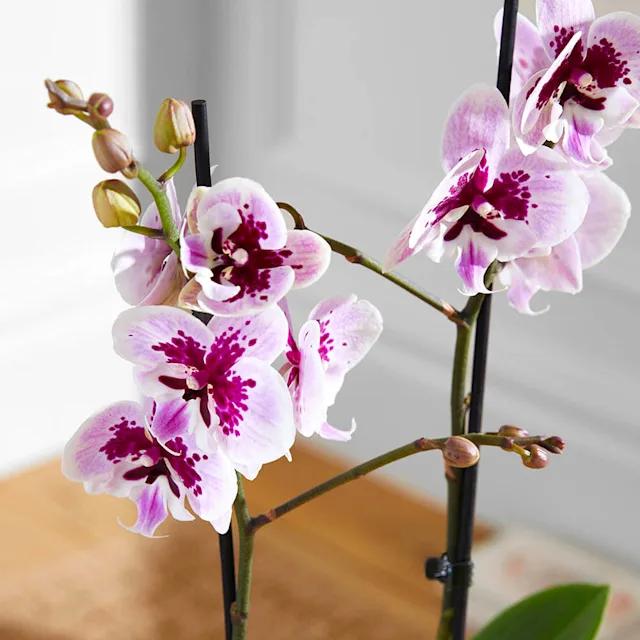
Orchids, those stunning flowers we love, come from all over the world. You can see them blooming in jungles of Asia, colourful spots in America, in wild places in Africa and Australia, and even in unexpected spots like the United Kingdom. Yes, you heard it right. Orchids are blooming in the UK too. These orchids are wild though, not the ones we usually get to decorate our homes. You can spot them in meadows, woodlands, and even on roadside verges.
It's amazing how these delicate blooms thrive in such diverse landscapes, spreading their charm far and wide. So, when you look at an orchid's pretty petals and colours, think about its journey, from far-off lands to brighten up your home.
Shop Plants
The meaning of the orchid flower
The orchid is more than just pretty, it's full of meaning. It's a symbol of love and luxury. In ancient Greece, orchids were associated with virility and were even believed to be an aphrodisiac. In China, they symbolise wealth, prosperity, and abundance, making them popular gifts during celebrations and festivals. In Japan, they are seen as a symbol of purity and perfection.
Read: Floriography: Language and Meaning of Flowers
The different types of orchids
Did you know there are around 28,000 species of orchids in the world? Follow us to discover the most popular ones and the rarest ones too.
The most popular types of orchids
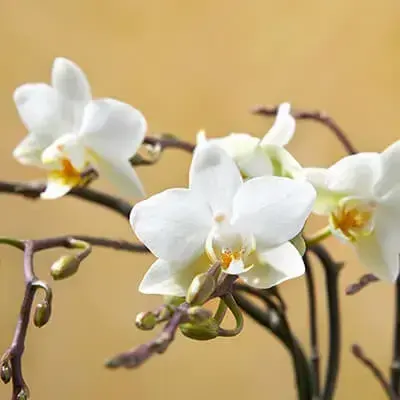
Phalaenopsis orchids, also known as moth orchids, are loved by beginners and expert orchid fans alike. These pretty flowers come in many colours, like white and purple, and they last a long time. Their stems bend gracefully, and they're easy to take care of, making them perfect to decorate your home.
Cattleya orchids, often called the queen of orchids, are real showstoppers. Their big, fragrant flowers come in bright colours and look very fancy. Whether they're worn as a corsage or displayed on a table, these elegant orchids always turn heads with their beauty and lovely smell.
Dendrobium orchids are a diverse bunch with a lot of flowers in all sorts of colours and patterns. They come in different sizes, from small to big, and you can usually find their blooms in clusters on tall stems. These cheerful orchids bring happiness and colour to any place.
The cymbidium orchid, often called the boat orchid, is the oldest cultivated orchid, with evidence going all the way back 2500 years ago in 500 BC China. Flowering from autumn to spring, this type of orchid is a little more demanding than others as they need their soil to be moist at all times, but not soggy or wet.
The rarest types of orchids
The Ghost Orchid is a real gem of the orchid world. Found in Florida and Cuba, this elusive beauty earns its name because it's very rare and hardly ever spotted in the wild. Imagine stumbling upon this delicate wonder with its ghostly white flowers hanging in the trees – it's like discovering a hidden treasure in the forest.
Lady's Slipper Orchids are like nature's little miracles. These rare orchids are known for their unique slipper-shaped pouches that trap insects, helping with pollination. They're found in various parts of the world, from North America to Europe and Asia, and each species is a sight to behold with its vibrant colours and intricate patterns.
The Monkey Face Orchid is sure to capture your imagination. This rare orchid, native to Ecuador and Peru, gets its name from its uncanny resemblance to, you guessed it, a monkey's face. Its quirky allure and captivating blooms make it a treasure worth seeking out for any orchid enthusiast.
Selecting the right orchid
Selecting the right orchid is an exciting journey that starts with understanding your environment and considering your care commitment. Here's a simple guide to help you choose the perfect orchid:
Assess your environment
Take note of the light conditions in your home. Some orchids thrive in bright, indirect light, while others prefer low-light conditions.
Then, consider the temperature and humidity levels. Certain orchids require specific temperature ranges and humidity levels to flourish.
Evaluate your care commitment
Be realistic about the time and effort you can dedicate to orchid care. Some orchids are more demanding in terms of watering, fertilising, and repotting requirements. If you're a beginner or have limited time for care, opt for orchid species known for their resilience and easy-care nature. Beginner-friendly orchids include: Phalaenopsis Orchids (Moth Orchids), Cattleya Orchids and Dendrobium Orchids.
Orchid care basics
This is your go-to guide for keeping your orchids happy and healthy. Let's dive right in and learn the essentials:
Light requirements
Different orchids have different needs when it comes to light. Some like lots of bright, indirect light, while others prefer a bit of shade. Pay attention to your orchid's preferences and find the perfect spot for it to soak up the sunshine.
Temperature and humidity
Orchids like it warm and humid, just like a tropical vacation. Keep your orchid in a cosy spot where it's not too hot or too cold, and don't forget to give it a little mist every now and then to keep it feeling fresh and happy.
Watering guidelines
Knowing when and how to water your orchid is key to its well-being. Give it a drink when the top of the potting mix feels dry, but be careful not to overwater – orchids don't like soggy feet. And remember, it's better to underwater than to drown your orchid.
Fertilising orchids
Just like us, orchids need a little food to grow big and strong. Choose a gentle fertiliser made specifically for orchids and feed your plant according to the instructions on the package. A little goes a long way, so don't overdo it.
With these orchid care basics under your belt, you'll be well on your way to becoming an orchid whisperer in no time. Keep experimenting, keep learning, and most importantly, keep loving your orchids – they'll repay you with blooms that will brighten your day and make your heart sing.
How to water an orchid
Watering your orchid properly is very important to keep it alive and thriving. Here are some easy ways to water your orchid:
Pouring method: Take your orchid to the sink and gently pour water over the potting mix until it starts to drain out from the bottom. Let it soak for a few minutes, then drain any excess water to avoid soggy roots.
Soaking method: Fill a basin or bucket with room-temperature water and place your orchid's pot inside. Let it soak for about 10-15 minutes, allowing the roots to absorb water. Then, remove the pot and let it drain before putting it back in its spot.
Misting method: Grab a spray bottle filled with water and give your orchid's leaves a light misting. This method helps increase humidity around the plant and keeps the leaves clean and hydrated.
Ice cube method: For a super easy way to water your orchid, try using ice cubes. Place a few ice cubes on the potting mix, and as they melt, they'll slowly release water to the roots. It's a convenient and foolproof way to avoid overwatering.
Bottom watering: Set your orchid's pot in a shallow tray filled with water and let it soak up water through the drainage holes at the bottom. Once the potting mix feels moist, remove it from the tray and allow any excess water to drain away.
With these simple watering methods, you'll be able to keep your orchid hydrated and thriving, ensuring it continues to dazzle you with its beautiful blooms
Repotting orchids
Repotting your orchid is a bit like giving your plant a fresh new start. Let's get started with everything you need to know:
Signs your orchid needs repotting
Is your orchid feeling a bit cramped in its current home? Look out for roots creeping out of the pot or a soggy, compacted potting mix. If you notice yellowing leaves, slow growth, or the potting mix breaking down, it might be time for a change.
Step-by-step guide to repotting orchids
First things first, gather your supplies – a new pot, fresh potting mix, and some pruning shears. Carefully remove your orchid from its old pot and gently shake off the old potting mix. Trim any dead or rotting roots, then place your orchid in its new home, making sure the roots are spread out evenly. Fill in the gaps with fresh potting mix, water lightly, and voila – your orchid is ready for its new digs.
Choosing the right pot size
When it comes to pots, size matters. Choose a pot that's just a bit bigger than your orchid's root system – you don't want it swimming in too much space. Opt for a pot with plenty of drainage holes to keep your orchid's roots happy and healthy.
Repotting your orchid might seem like a daunting task, but with a little love and care, your plant will thank you for it. Keep an eye out for those telltale signs it's time for a change, follow our step-by-step guide, and choose the perfect pot size – your orchid will be flourishing in no time.
Pruning an orchid
When pruning your orchid, focus on removing any dead or yellowing parts of the stem. Look for areas where the stem appears discoloured or dried out. Carefully trim these sections at the base of the stem using clean scissors or pruning shears.
Removing dead or damaged portions of the stem helps promote healthy growth and prevents potential problems from spreading. Remember, it's better to trim conservatively and gradually than to remove too much at once. With gentle pruning, your orchid will stay vibrant and flourishing.
Common orchid problems and solutions
Let's tackle some common orchid problems together. Here are a few issues you might encounter and how to fix them:
Yellow leaves
If you notice your orchid's leaves turning yellow, it might be getting too much sunlight. Move it to a shadier spot and see if that helps.
Root rot
If your orchid's roots are brown and mushy, it's likely suffering from root rot. Repot it in fresh, well-draining potting mix and trim away any rotten roots.
Bud blast
Oh no, your orchid's buds are falling off before they can bloom… This could be due to sudden changes in temperature or drafts. Keep your orchid in a stable environment to prevent bud blast
Pests
Keep an eye out for pesky pests like aphids, mealybugs, and scale insects. Wipe them away with a damp cloth or treat your orchid with an insecticidal soap (not to be used on buds and very sensitive plants).
Remember, orchids are resilient plants, and with a little care and attention, they'll bounce back from these common problems in no time.
![]()
Conclusion
As we wrap up our orchid journey, we hope you're now feeling inspired and empowered to cultivate these incredible plants with confidence. Orchids may seem mysterious at first, but with the knowledge and tips you've gained from this guide, you're well-equipped to nurture them into thriving beauties.
Remember, orchid care is as much about patience and observation as it is about watering and fertilising. Embrace the process, celebrate the progress, and let the beauty of orchids continue to fill your life with wonder and delight. Happy growing, orchid enthusiasts!
Discover our Speckled Orchid and our Jungle Orchid.
FAQs about orchids
Q: What is the rarest orchid in the world?
A: The rarest orchid in the world is the Ghost Orchid, found in Florida and Cuba. It's called "ghost" because it's very rare. Its delicate white flowers and unique look make it very special to orchid lovers.
Q: Are orchids hard to care for?
A: Nope, orchids might seem fancy, but they're not too tough to take care of. With a little love and attention, orchids can do well in your home. Just give them the right amount of light, water, and care, and they'll thank you with beautiful blooms.
Q: How often should I water my orchid?
A: Water your orchid when the top of the soil feels dry to the touch, usually once a week or every other week.
Q: Should I mist my orchid?
Misting your orchid with water can be helpful, especially if your home is dry or lacks humidity. Just be gentle and avoid spraying the flowers directly to prevent any damage.
Q: What kind of water should I use for my orchid?
For your orchid, it's best to use room temperature water that is free from chemicals like chlorine or fluoride. You can use filtered water or let tap water sit out for a day to allow any chlorine to dissipate before watering your orchid. Avoid using softened water or water that's too cold, as it can harm your plant.
Q: How do I make my orchid bloom?
A: Give your orchid plenty of light, stable temperature, and water when needed. If it's not blooming, try repotting it into fresh soil, which might help it bloom again.
Q: Can I move my orchid to a bigger pot if it's not flowering?
A: Yes, repotting your orchid into a larger pot with fresh soil can sometimes help it bloom again, especially if it's feeling cramped in its current home.


