1. Rose
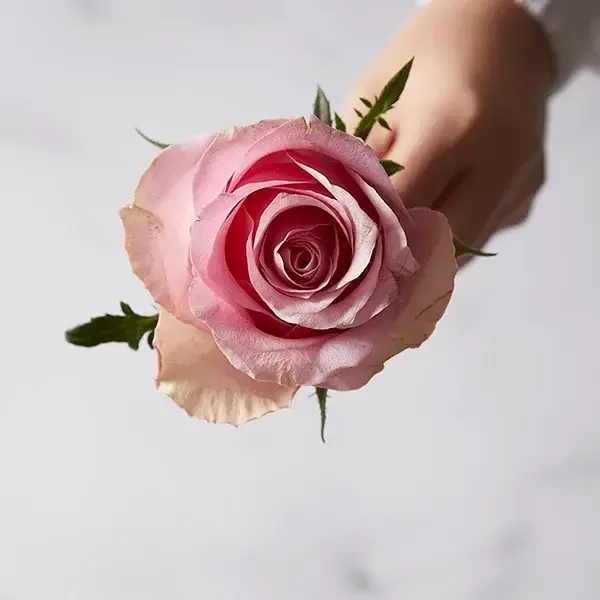
Roses are the queens of the flower world, popular for their classic beauty and romantic symbolism. They come in a rainbow of colours, with each colour telling a different story of love, friendship, or respect. They are also associated with people born in June. Roses are known for their layered petals and rich fragrance, which has made them a favourite in perfumery for centuries. Whether in a lavish bouquet or a single stem, roses capture hearts everywhere.
Shop roses
Shop roses
2. Tulip
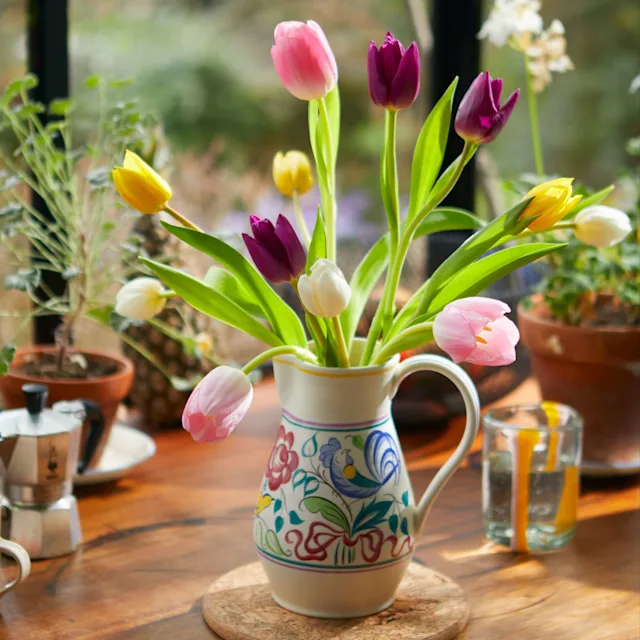
Tulips are springtime stars with their clean, elegant shape and a cheerful palette of colours. These bulbs are some of the earliest to bloom in spring, making them a symbol of rebirth and new beginnings. Tulips are native to Central Asia, but gained popularity in the Netherlands in the 17th century, sparking "Tulip Mania" during which bulbs were incredibly valuable. Tulips are perfect for gardens, pots, and as cut flowers in stunning floral arrangements.
Shop tulips
3. Carnation
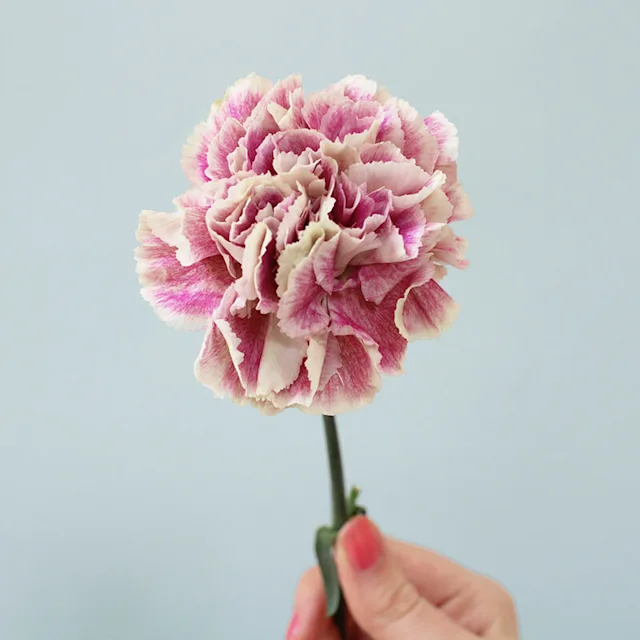
Carnations are a favourite for their beautifully ruffled petals, long-lasting blooms, and delightful sweet and spicy scent. They come in a fantastic array of colours, brightening up any bouquet or floral display. Known to symbolise love and deep fascination, carnations are a top pick for everything from stunning floral arrangements to charming boutonnieres. Plus, they hold a special place as the birth month flower for January, making them an extra meaningful gift at the start of the year.
4. Peony
Peonies are all about lush abundance and fluffy petals. They have a luxurious appearance and a sweet fragrance. Peonies come in pink, red, white and yellow and represent wealth and honour, making them popular for special occasions. Peonies originally come from Asia, Southern Europe, and Western North America, but they are especially loved in Eastern cultures, like in China where they are called the "king of flowers."
Peony flower delivery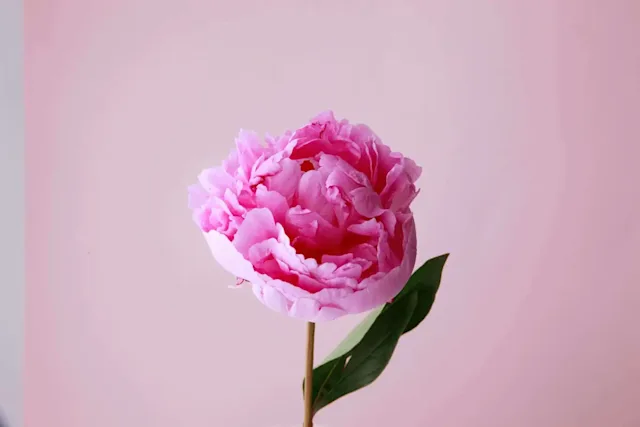
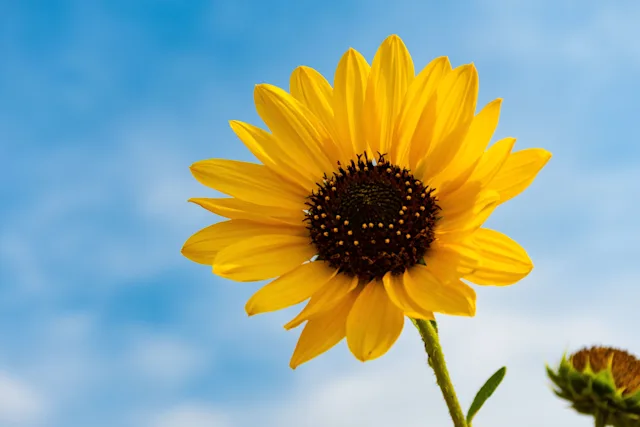
5. Sunflower
Sunflowers are like big, sunny smiles on tall stalks, famous for their huge, bright yellow petals and hearty seeds that both birds and people love to eat. Sunflowers are special because they can turn their heads to follow the sun from sunrise to sunset. This trick makes them a symbol of energy and love. Sunflowers aren't just grown for their looks but also for their seeds, which give us healthy oils and tasty snacks. Plus, they can be used to make biodiesel fuel and even help clean up the soil.
Discover our sunflower bouquets
6. Orchid
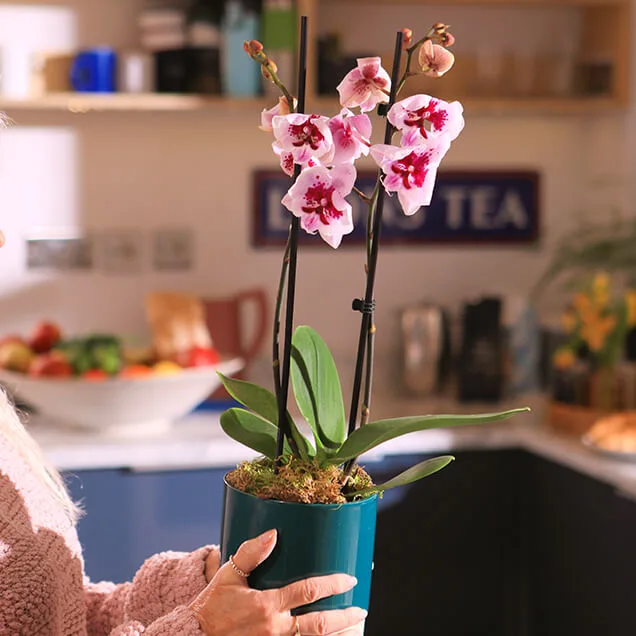
Orchids are exotic and mysterious, making them irresistibly intriguing with their delicate, symmetrical flowers that come in a wide range of colours. Originating from diverse environments around the world, from tropical rainforests to cooler highlands, orchids are incredibly versatile. Known for their diversity, the orchid family is one of the largest families of flowering plants, with about 28,000 species worldwide. Orchids can bloom for several months under the right conditions, making them a popular choice for indoor décor.
Discover our speckled orchid
7. Lily
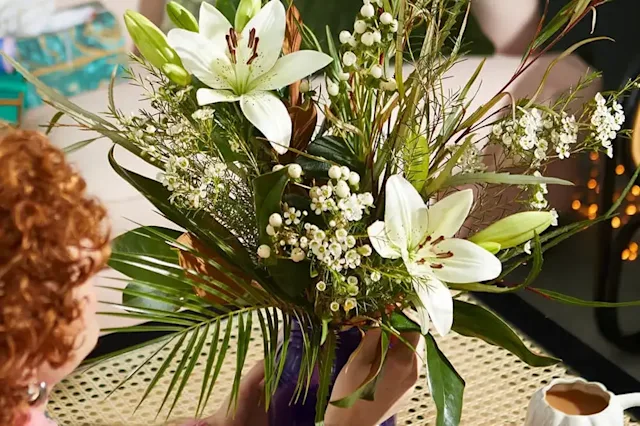
Lilies are stunning and fragrant, with large, bell-shaped flowers that make a dramatic statement. They come in many beautiful colours and are often used in celebrations for their luxurious appearance and heavenly scent. Lilies are not only stunning and fragrant, but they also play a significant role in cultural symbols across the world. In various cultures, lilies represent purity and refined beauty. Some species, like the water lily, hold religious significance in Eastern cultures.
Shop lilies
8. Alstroemeria
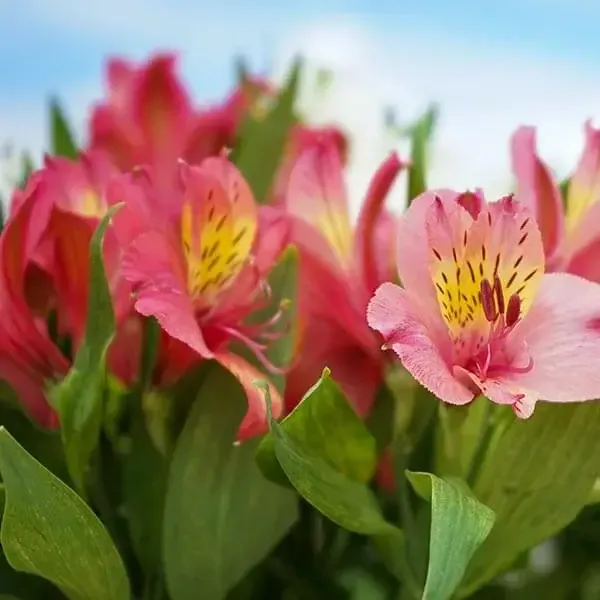
Alstroemeria, also known as the Peruvian lily, is a beautiful flower that comes from South America. It looks a bit like a mini lily and comes in many bright colours like pink, red, orange, purple, and white. This flower is perfect for adding a splash of colour to your garden or home. It's known for lasting a long time in a vase, often up to two weeks, and it symbolises friendship and devotion, making it a great choice for gifts. Alstroemeria is easy to care for and blooms from summer through autumn, keeping your space lively and colourful.
9. Stock
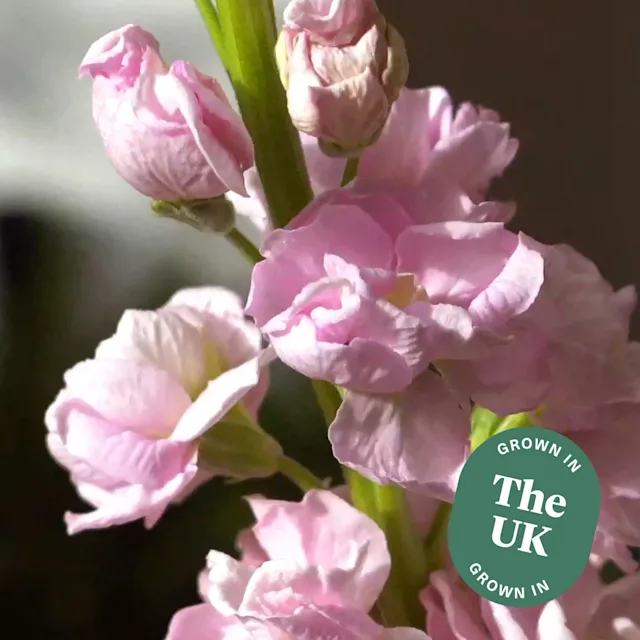
Stock is admired for its lovely fragrance and dense clusters of flowers in shades of pink, white, and purple. Native to the Mediterranean region, it’s a top choice for bouquets and adds height and colour to garden beds, blooming in cooler temperatures of late spring and early summer.
10. Daffodil
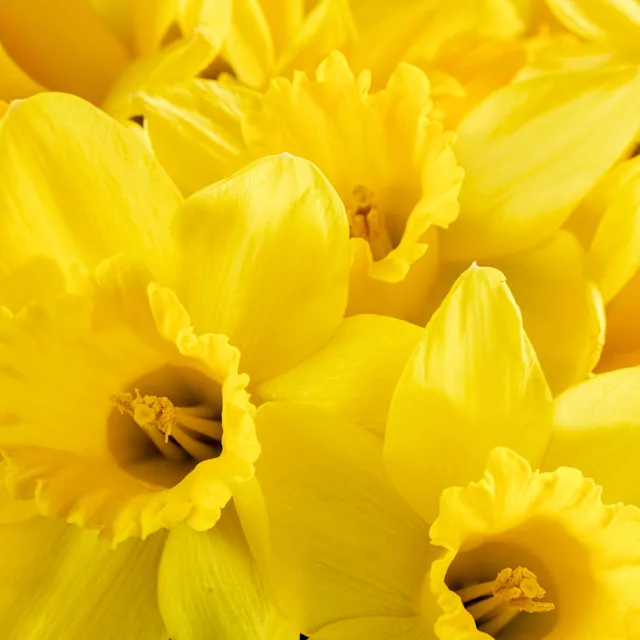
The bright, cheery yellow of daffodils, also known as narcissi, is a sure sign that spring is here. These tough flowers are some of the first to show up, often popping out while there's still snow on the ground. Daffodils symbolise new beginnings and energy because they bloom so early in spring. They're also the birth month flower for March. Across different cultures, daffodils have various meanings and are seen as a symbol of hope and awareness, especially by cancer organisations in the UK. Daffodils are easy to grow: they naturally spread and come back every year without much work, making them a favourite among gardeners.
11. Daisy
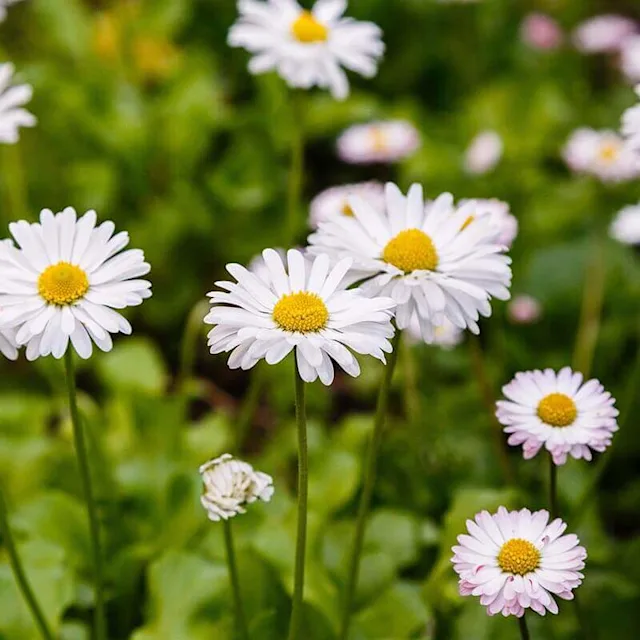
Daisies are a great symbol of happiness. Their simple white petals and bright yellow centres remind us of sunny days and open fields. Daisies are tough and flexible, symbolising purity and innocence, and they are the birth flower for April. They are also really good at adapting and can be found almost everywhere in the world except for Antarctica. The name "daisy" comes from "day's eye" because the flower opens in the morning and closes at night. Plus, what looks like one single daisy flower is actually made up of many small flowers grouped together.
12. Hyacinth
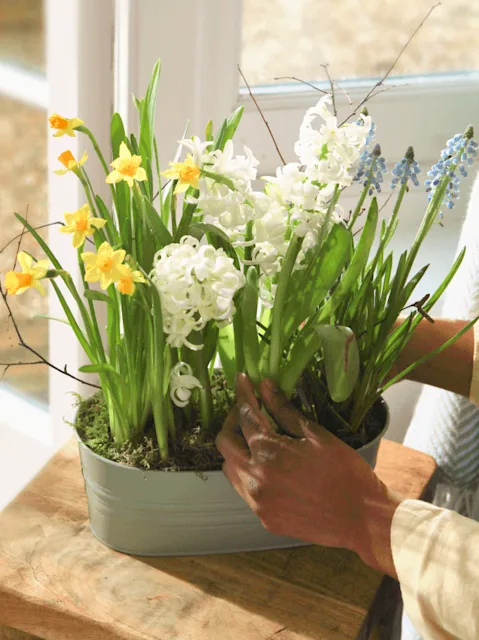
Hyacinths are loved for their wonderful fragrance and dense, starry flowers. They bloom in early spring and come in vivid colours like pink, purple, and white. A garden or a home with hyacinths smells as lovely as it looks. Hyacinths are loved not just for their wonderful smell and full blooms but also for their story in Greek mythology. The legend says that the flower grew from the blood of a young man named Hyacinthus after he was accidentally killed by the god Apollo. This story links the flower to ideas of new beginnings and the start of spring.
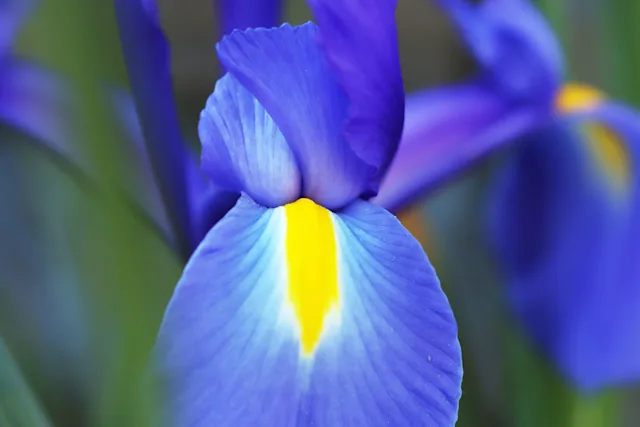
13. Iris
Irises stand out with their unique shape and beautiful colours, which often include eye-catching patterns. Known as a symbol of wisdom and royalty, they bring an elegant touch to any garden or bouquet. The name "iris" comes from the Greek word for "rainbow," a perfect fit for their colourful array. You can often see them growing wild along riverbanks. With a rich history in symbols and coats of arms, irises are even the national flower of France and the birth month flower of February.
14. Chrysanthemum
Often called "mums", these flowers are autumn favourites, and the birth month flower of November. They come in a spectacular array of colours and shapes, and their hardiness makes them great for lasting displays. Chrysanthemums were originally cultivated in China as a flowering herb as far back as the 15th century BC. The plant is particularly significant in East Asian art and culture, symbolising autumn and the spirit of endurance. In Japan, there’s even a “Festival of Happiness” to celebrate the flower’s blooming.
15. Geranium
Geraniums are loved for their bright, cheerful flowers and how easy they are to take care of. They do well in pots and gardens, adding lively colours and a cosy touch wherever they are planted. Geraniums are popular not only for their beauty but also for their utility in folk medicine and aromatherapy. The essential oils derived from some geranium species are used for their anti-inflammatory and therapeutic properties. They’re also used in perfumes for their rose-like scent.
16. Magnolia
Magnolias are breathtaking with their large, creamy petals and sweet scent. They are often seen as symbols of grace and nobility, blooming boldly even before their leaves appear. Magnolias are among the oldest flowering plants, with fossils dating back over 90 million years. They evolved before bees and are pollinated primarily by beetles. Magnolias are associated with the resilience and dignity of nature’s beauty, often used in wedding bouquets to symbolise purity.
17. Lavender
Lavender is famous for its calming fragrance and pretty purple blooms. It’s widely used in essential oils and perfumes, and it's just as delightful in gardens, attracting bees and butterflies. Lavender is not just loved for its smell and looks, it's also useful for calming skin irritations and burns, including bug bites.
18. Poppy
Poppies are vibrant flowers known for their bright and delicate petals. They come in colours like red, orange, and yellow. Originally found in many parts of the world, including Europe and Asia, poppies are often associated with remembrance and peace, especially red poppies, which are used to honour soldiers. The poppy is also the birth month flower of August. Poppies grow easily and can light up any garden space with their vivid colours, making them a joyful sight in any outdoor setting.
![]()
19. Bluebell
Bluebells create enchanting carpets of blue in the woods in the UK and Europe, and are heralds of spring. Their bell-shaped blooms nod in the breeze and are often associated with fairy tales and magic, bringing a mystical quality to their surroundings.
![]()
20. Marigold
Marigolds are hardy and bright, with a distinctive, spicy aroma. Their golden blooms symbolise sunshine and energy, making them a popular choice for garden displays. They’re also ideal to give someone born in October, as they are the birth month flower of October. Marigolds have more to offer than their bright blooms: they are also planted in vegetable gardens to prevent pests naturally through their strong scent, which repels insects and animals.
![]()
21. Amaryllis
Amaryllis features striking, trumpet-shaped flowers that come in rich colours. Often associated with winter celebrations, these bulbs are popular for their ability to bloom indoors, bringing a splash of colour when the outdoor world is grey and cold. The name "amaryllis" means sparkle in Greek. Interestingly, the plants we often call amaryllis are actually from the genus Hippeastrum. The real amaryllis is from South Africa.
![]()
22. Camellia
Camellias are elegant and have glossy evergreen leaves with stunning flowers that bloom in winter or early spring, primarily in shades of pink, red, and white. They symbolise love and affection, adding a refined beauty to any space. Beyond their love symbolism, camellias are prized for their longevity and resilience. They are native to eastern and southeastern Asia and can thrive in temperate climates. The tea plant is actually a type of camellia, known scientifically as Camellia sinensis, from which all tea is made.
![]()
23. Begonia
Begonias are native to the tropical and subtropical regions of Central and South America, Africa, and southern Asia. They come in a wide variety of colours, including shades of pink, red, white, orange, and yellow. Their leaves also add to their beauty with colours like green, red, and purple, and sometimes they have interesting patterns too. These diverse colour options make begonias exceptionally attractive both as outdoor plants and indoor houseplants.
![]()
24. Dahlia
Dahlias are show-stoppers with their stunning geometric petals and incredible range of colours and sizes. They're perfect for any gardener looking to make a bold statement. Dahlias originally come from Mexico and were even eaten by the Aztecs long ago. They are special because they keep blooming from the middle of summer until the first cold frosts of autumn, which means they add colour to the garden for a long time.
![]()
25. Zinnia
Zinnias are one of the easiest flowers to grow, which makes them perfect for beginners. Native to Mexico, they bloom in a vibrant array of colours including red, pink, orange, yellow, purple, and white, adding life and vibrancy to any garden spot. They are also great at attracting butterflies, making them perfect for butterfly gardens.
![]()
26. Snapdragon
Snapdragons are charming flowers with tall spikes of brightly coloured blooms that come in shades of red, pink, yellow, purple, orange, and white. These flowers open and close like mouths when squeezed, adding an element of fun for both kids and adults. Native to parts of the United States, North Africa, and Europe, snapdragons add height and interest to gardens, making them a lively addition to any outdoor space.
![]()
27. Petunia
Petunias are a gardener's delight because of their vibrant colours, including shades of pink, red, purple, white, and yellow, and their ability to fill up space with lush, trailing blooms. Originally native to South America, they are extremely versatile and can brighten up hanging baskets, garden beds, and containers with their cheerful presence all summer long. Petunias also give off a light scent in the evening, making them a pleasant addition to gardens enjoyed at night.
28. Pansy
Pansies are popular for their charming, expressive little faces and come in a wide range of bright and bold colours like purple, blue, yellow, and red. These tough plants are native to Europe and western Asia, and they can handle cold weather, making them perfect for spring and autumn gardens. Pansies bring a playful touch to any setting and are known for their ability to bloom in both spring and autumn. Some varieties are even hardy enough to survive the winter and bloom again, providing colour and cheer through multiple seasons.
![]()
29. Jasmine
Jasmine is celebrated for its intoxicating fragrance and delicate white or yellow flowers. This plant, native to tropical Asia, can be trained to climb or allowed to sprawl, adding beauty and a sweet scent that enhances evenings outdoors. Jasmine is not just pretty, it's also used to make jasmine tea. The tea is flavoured with the buds from certain types of jasmine plants.
![]()
30. Hellebore
Hellebores, also called Christmas roses, are true winter wonders, blooming even in the snow. Native to Europe and Asia, they thrive during the cold months, bringing colour to winter landscapes with their flowers in shades of white, green, pink, purple, and even near-black. This ability to flower when most other plants are dormant makes them highly valued in any garden.
![]()
31. Gardenia
Gardenias are synonymous with exotic beauty. Native to the tropical and subtropical regions of Africa, southern Asia, Australasia, and Oceania, they captivate with their glossy evergreen leaves and stunningly fragrant creamy-white flowers. Sometimes, you might find gardenias with pale yellow flowers too. These characteristics make them popular both for garden planting and as cut flowers in floral arrangements. Their strong scent and beautiful look add a touch of elegance to any space, inside or outside.
![]()
32. Fuchsia
Fuchsias are magical with their dangling, bell-like flowers in various colours like pink, purple, red and white. Perfect for hanging baskets and garden pots, they attract hummingbirds and add a touch of whimsy to any garden space. They can grow into small trees in their native places in Central and South America.
33. Clematis
Clematis vines are fantastic for their spectacular display of blooms that can cover walls, trellises, or pergolas. They come in many varieties, each boasting large, colourful flowers in shades of blue, purple or pink, that make any garden feel like a royal park. Sometimes called the "queen of the vines," clematis plants can live for about 50 years.
![]()
34. Azalea
Azaleas are springtime glory, smothering themselves in blooms ranging from dazzling whites to deep reds and purples. They originally came from Asia where monks grew them many years ago. These shrubs are a cornerstone of Japanese gardens and Southern landscapes, celebrated for their vivid and voluminous beauty.
35. Anemone
Anemones, also known as windflowers, are lovely with their simple, bright flowers that seem to dance on their stems in the breeze. They can be found across the UK, and come in a range of colours including white, blue, red, pink, and purple. Their lively appearance and variety of colours make them favourites for brightening up spaces.
![]()
36. Crocus
Crocuses are one of the first signs of spring, popping through the snow with their bright and cheery hues of purple, yellow, and white. These small but mighty flowers signal the end of winter and are a symbol of cheerfulness and new beginnings. They are perfect for borders or naturalising in grass, where they create a stunning early spring display.
![]()
37. Ranunculus
Ranunculus flowers, with their layers of delicate, paper-thin petals, look like miniature roses. They’re native to the Middle East and come in many colours including pink, yellow, orange, and white, making them extremely popular in both bouquets and wedding arrangements. Their rose-like elegance and long vase life make them a florist's favourite.
![]()
38. Gladiolus
Known as the "sword lily" because of its tall, pointed leaves, gladiolus is originally from South Africa. It represents strength and honour and is perfect for birthdays in August. It comes in a rainbow of colours from pink to red to purple, and even multi coloured varieties. Its dramatic presence is perfect for the back of a flower bed or lined up along a fence or wall.
![]()
39. Foxglove
Foxgloves, with their tall spikes of pink and purple bells, are from Europe, but also grow in North America. They are full of fairy tale charm, although they need to be handled carefully because they can be very poisonous.
40. Aster
Asters are true stars of autumn, blooming brightly when many other flowers start to fade. These flowers look like daisies and come in vibrant colours like blue, pink, and purple. Mostly found in North America, asters are said to be made from stardust and represent love and patience. The aster is also the birth month flower of September. Asters attract butterflies and keep gardens colourful late into the season, adding life even as it gets cooler.
![]()
41. Forget-me-not
Forget-me-nots are tiny blue flowers common throughout the UK, known for symbolising true love and fond memories. They’re perfect for giving to someone you don’t want to forget, or to fill gardens with a splash of soft colour.
42. Lily of the Valley
Lily of the Valley is a delicate and fragrant beauty, with tiny white bell-shaped flowers that seem to hide under their broad green leaves. This plant is often associated with purity and humility, and represents people born in May. Its scent is as sweet as its appearance.
![]()
43. Hibiscus
Hibiscus flowers come from warm places like Asia and the Pacific Islands. They have big, bright blooms that can be as large as a dinner plate, in colours like red, pink, orange, yellow, and white. These eye-catching flowers add a tropical feel to any garden and can also be used to make tasty teas. Their large size and vivid colours make them great for bringing a bit of the tropics to your yard.
44. Cyclamen
Cyclamen are charming, especially with their upswept petals and heart-shaped leaves. Native to the Mediterranean, they are often found brightening up winter interiors, providing a splash of colour when most other plants are dormant. They are often given to say goodbye in a sweet way.
![]()
45. Freesia
Freesias are loved for their fresh scent and pretty flowers that grow along a curved stem. They are native to South Africa and come in many colours like pink, yellow, white, and red. Known as a symbol of trust and friendship, freesias are a favourite for floral bouquets and wedding arrangements. Their delightful fragrance and delicate look make them perfect for adding a special touch to any occasion.
![]()
46. Cosmos
Cosmos are easygoing and bloom all summer long. Originally from Mexico, they have cheerful flowers on thin stems that sway in the breeze, adding fun and colour to your garden. These flowers come in bright shades like pink, white, orange, and deep red, so there's a colour for everyone to love. Plus, cosmos are the special flower for October birthdays, representing peace and happiness. They're perfect for giving your garden a lively boost or celebrating someone's special day in October.
47. Sweet Pea
Sweet peas are from the Mediterranean and are famous for their lovely scent and soft colours. Introduced to England a very long time ago, they quickly became popular for their beauty and fragrance, and are now the birth flower of April. They climb eagerly and are perfect for adding height and fragrance to garden spaces.
![]()
48. Verbena
Verbena is a bright and adaptable plant with small clusters of flowers that come in vivid colours like pink, purple, and red. It's great at attracting butterflies and bees, and is perfect for gardens that get a lot of sun. Verbena does well even in hot spots where other flowers might struggle, adding a splash of colour and life to your outdoor space.
49. Primrose
Primroses signal the arrival of spring with their lovely clusters of vibrant flowers in shades of yellow, pink, red, purple, and white. Native to temperate regions of Europe, Asia, and parts of North America, they thrive in cool, moist conditions. This makes them perfect for brightening shady garden spots and bringing a splash of early colour to the landscape.
![]()
50. Heather
Heather is a tough plant that grows well in rough, rocky areas. It has small, bell-shaped flowers that come in shades of purple, pink, and white, covering the ground beautifully. Heather adds a lovely, wild look to gardens and is thought to bring protection and good luck. This makes it a great choice for adding both charm and a bit of superstition to your outdoor spaces.
51. Rhododendron
Rhododendrons are beautiful shrubs known for their big, bold blooms that come in colours like bright pink, deep purple, red, and white. They are originally from places like the Himalayas and North America and are popular in gardens because they look stunning in spring. Their wide range of colours and ability to grow in different climates make them a favourite choice for anyone wanting to add a splash of colour to their garden in the spring.
![]()
52. Lotus
The lotus is known for growing beautifully out of muddy waters, which makes it a symbol of purity and a fresh start. Its elegant flowers are often the highlight in ponds and water gardens, admired for their detailed and peaceful look. They come in lovely shades of pink and white, bringing a calm and pretty touch to water areas. This plant is also important in many cultures, especially in Asia, where it's seen as a sign of spiritual growth.
53. Violets
Violets are small but mighty with their vibrant purple, blue, or white flowers. They are native to Europe and Asia and often bloom in the shade, bringing a burst of colour to darker garden corners. They symbolise loyalty and devotion and are also the birth month flower of February.
![]()
54. Impatiens
Impatiens are fantastic for filling in shady spots with their bright, cheerful blooms. They are low-maintenance and continuously flowering, making them ideal for both novice gardeners and those looking for reliable colour.
![]()
55. Calendula
Calendula, or pot marigold, offers sunny blooms that are not only pretty but also medicinal. It’s native to Mediterranean countries and comes in shades of orange and yellow. Calendulas are easy to grow and are often used in creams and teas for their healing properties, adding both beauty and utility to gardens.
56. Black-eyed-Susan
Black-eyed Susans are robust wildflowers from North America that beam with golden-yellow petals and a dark centre. They're drought-tolerant and attract pollinators, making them excellent for naturalistic gardens.
57. Cherry Blossom
Cherry blossoms are famously breathtaking, symbolising the fleeting nature of beauty with their brief but glorious bloom. Celebrated around the world, particularly in Japan, they create magical canopies of pink and white, marking the arrival of spring.
58. Plumeria
Plumeria, also known as frangipani, is famous for its tropical vibe. It has beautiful flowers with a lovely scent that's often used in perfumes and traditional leis. The flowers come in colours ranging from white to deep reds and pinks, making any garden feel like a little piece of paradise. Plumeria is especially popular in warm climates and is associated with relaxation and beauty, often seen decorating resorts and spas.
59. Bromeliad
Bromeliads are exotic and striking, with rosettes of stiff leaves that form a central "cup" that catches water. Their dramatic blooms come in vibrant colours, making them a fascinating and colourful choice for indoor and outdoor gardens.
60. Calla Lily
Calla lilies are elegant and sleek, known for their unique trumpet-shaped blooms that curl gracefully. These flowers come in a variety of colours including white, pink, yellow, and deep purple. Native to Southern Africa, they symbolise purity and beauty, making them a popular choice for weddings and elegant bouquets.
61. Canna
Cannas are tropical plants that really stand out with their large, banana-like leaves and bright flowers in shades of red, orange, and yellow. Native to South and Central America, they bloom from summer through autumn, adding height and drama to any garden. Cannas thrive in full sun and are great for attracting hummingbirds and butterflies.
62. Saffron
Saffron is known for its vibrant orange-red threads that are highly valued in cooking, making it the world’s most expensive spice. Native to Southwest Asia, it also produces beautiful purple flowers.
63. Statice
Statice is celebrated for its papery flowers which come in colours like purple, pink, blue, and white. This flower is a favourite for dried floral arrangements because it keeps its shape and colour well after drying. Native to Mediterranean regions, statice is perfect for creating long-lasting floral displays that don’t lose their charm over time.
![]()
64. Waxflower
Waxflowers are native to Australia and are loved for their small, star-shaped flowers and pine-like foliage. These flowers come in shades of white, pink, and purple, and are popular in the floral industry for their long-lasting quality and sweet, citrusy scent, which makes them excellent for adding a delicate texture and fragrance to bouquets.
![]()
65. Yarrow
Yarrow is a tough plant with clusters of small, tightly-packed flowers in shades of white, yellow, and pink. It's great for attracting bees and butterflies and is known for its healing properties. Yarrow is easy to grow in many different places and does well in both gardens and wild settings.
![]()
66. Allium
Alliums, also known as ornamental onions, have round blooms that come in purple and lavender. They make a bold statement in gardens with their eye-catching shapes. Native to various parts of the Northern Hemisphere, alliums are easy to care for and add dramatic flair to any space.
![]()
67. Bleeding Heart
Bleeding hearts have unique, heart-shaped pink and white flowers that hang from their branches. They do best in shady spots and are perfect for adding a touch of romance to garden corners. These plants are from eastern Asia and are a favourite for their distinct looks.
68. Echinacea
Echinacea, or coneflower, is known for its health benefits and beautiful, daisy-like flowers in pink and purple. It's native to North America and attracts bees and butterflies, which helps gardens stay healthy and full of life.
69. Gaillardia
Gaillardia, or blanket flower, has bright red and yellow flowers that can handle dry, hot conditions very well. It's a native North American plant that blooms all summer, making it great for adding lasting colour to sunny garden spots.
70. Morning Glory
Morning glories are native to the Americas. They are climbers, known for their vibrant trumpet-shaped flowers that open in the morning to greet the sun. They come in many colours and can quickly cover trellises and fences, adding vertical beauty to gardens. The morning glory is also one of the birth month flowers of September.
71. Nasturtium
Nasturtiums are from South and Central America. They are colourful and edible, with peppery-tasting flowers and leaves that are great in salads. They're easy to grow and help keep pests away. Nasturtiums work well as ground cover or in hanging baskets.
72. Phlox
Phlox plants come in pink, purple, and white and are popular for their sweet smell and lots of flowers. They are native to North America and are perfect for borders or as part of a colourful garden bed, because they attract hummingbirds and butterflies.
![]()
73. Salvia
Salvia plants have bright spikes of red, purple, or blue flowers and smell nice. They attract hummingbirds and butterflies, and can handle dry conditions well. Salvias come from many parts of the world, including Central and South America, and add vibrant colours to gardens.
74. Sedum
Sedum, or stonecrop, is a hardy succulent that grows well in tough conditions. It comes in green, burgundy, and has star-shaped flowers. Sedum is great for rock gardens or as ground cover, because it's low maintenance and grows easily.
![]()
75. Thistle
Thistles are striking with their prickly foliage and bold, purple or blue flower heads. Often seen as a symbol of resilience and protection, the thistle is the emblem of Scotland. Thistles are perfect for naturalistic planting schemes, where they can attract bees and butterflies.
76. Veronica
Veronica, or speedwell, has tall spikes of small flowers in blue, pink, or white. These plants bloom for a long time and add height to gardens. They are native to parts of the Northern Hemisphere and are great for adding colour and structure to plantings.
77. Wallflower
Wallflowers bloom in spring and have yellow, orange, and red and purple flowers. They're from Europe and southwest Asia and are perfect for adding bright colour and sweet smell to garden edges and walls.
78. Wisteria
Wisteria is a beautiful climbing plant with bunches of lilac-blue flowers that look stunning in the spring. It comes from places like Japan, China, and parts of the U.S. Wisteria is great for creating shaded garden areas or for covering walls and fences with its long, flowery branches.
79. Gloxinia
Gloxinia is popular for its velvety, bell-shaped flowers that bloom in rich, vibrant colours like purple, red, and pink. Originally from Brazil, it's usually grown indoors, making it perfect for adding colour to any room.
80. Cornflower
The cornflower, also known as bachelor’s button, is famous for its vivid blue flowers. Native to Europe, it’s an easy-to-grow plant that blooms abundantly in early summer. Cornflowers are often used in wildflower mixes and as a colourful addition to garden beds.
![]()
81. Hydrangea
Hydrangeas are celebrated for their large, lush flowers that come in shades of blue, pink, white, and purple. Native to Asia and the Americas, hydrangeas thrive in a range of climates and can change colour based on the soil's acidity.
![]()
82. Bougainvillea
Bougainvillea is renowned for its massive displays of colourful paper-like bracts that come in pink, orange, red, and purple, surrounding tiny flowers. Native to South America, this vigorous climber is perfect for warm climates and is commonly used to cover walls or fences, adding a tropical touch to any landscape.
83. Gerbera Daisy
The gerbera daisy is known for its large, vibrant blooms available in almost every colour, including pink, yellow, salmon, orange, and white. Native to South Africa, this plant is popular in bouquets and as a cheerful indoor plant.
![]()
84. Buddleia
Also known as the butterfly bush, buddleia attracts butterflies with its long, fragrant flower spikes that bloom in lavender, pink, or white. Originating from China and Japan, it’s a great choice for gardens, blooming from summer into autumn and providing a continuous display of colour and fragrance.
85. Lantana
Lantana features clusters of small, vibrant flowers that often appear in multicoloured patterns within the same cluster. Native to tropical regions of the Americas and Africa, this tough plant thrives in hot, sunny spots and is great at attracting butterflies, making it a fantastic choice for colourful, low-maintenance gardens.
Frequently Asked Questions about Popular Types of Flowers
What are some of the most loved flowers in the UK?
In the UK, roses, lavender, and daffodils are incredibly popular. These beauties are loved in gardens and homes across the country for their stunning looks and lovely scents.
Which flowers are favourites for bouquets?
Roses, lilies, and tulips are top choices for bouquets because of their vibrant colours and elegant shapes. They're perfect for any occasion, from birthdays to weddings.
What flowers stay fresh longest in a vase?
Carnations, chrysanthemums, and alstroemeria are great picks if you want flowers that last a long time in a vase. They can keep your space bright and cheerful for weeks!
What common flowers grow naturally in the UK?
Foxgloves, bluebells, and wild roses are some common flowers native to the UK. These flowers add natural beauty to the British countryside.
What are some flowers that bloom throughout the year?
Pansies and violas can bloom all year round, even in winter, keeping your garden colourful and lively no matter the season.
What are the easiest flowers to grow if you're just starting?
Sunflowers, marigolds, and nasturtiums are perfect for beginners. They're not only easy to care for but also grow quickly, making gardening fun and rewarding.
What flowers should I plant to attract butterflies and bees?
To attract butterflies and bees to your garden, plant lavender, buddleia, and echinacea. These flowers are not only pretty but also great for helping local wildlife thrive.
In summary:
From the popular roses to the delicate carnations and the stunning peonies, there's a flower out there to brighten every home and garden. If you're looking to find the perfect bouquet to give as a gift, or to add a pop of colour to your home, our selection has something for everyone. Browse our beautiful collection of bouquets and plants, and find the perfect way to express your feelings or decorate your space.

