
How to care for your Boston fern
The Boston fern, or sword fern as it’s also known, is a lovely little houseplant that thrives in a tropical environment and is evergreen all year round. Looking after a Boston fern isn’t difficult. But they can be a little fussy and require some extra attention. Luckily, we’re here to help with all your plant care needs! Our helpful tips below will give you everything you need to keep your Boston fern happy and beautiful.
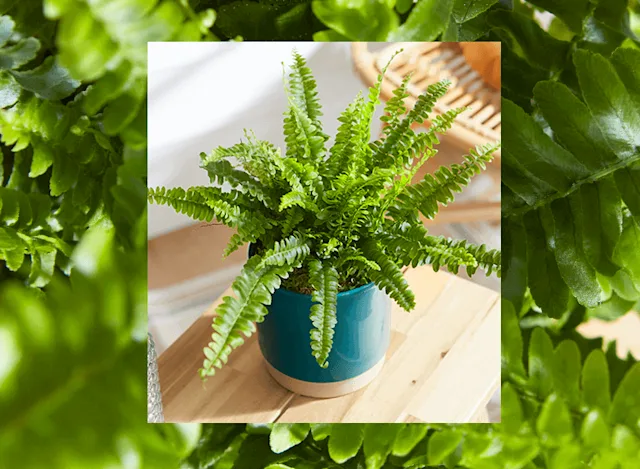
Keep your Boston fern happy
Boston ferns became popular houseplants in the Victorian times because they symbolised humility and sincerity. If someone gave you a Boston fern back then, they obviously thought you were a pretty good person! One thing to remember when caring for your Boston fern is that they love attention! So, twice-weekly waterings and regular misting are a must. Daily compliments don't hurt either. But try not to touch their leaves too much because they don’t like it and will turn brown.
Here are some of our top tips on caring for your Boston fern...
1. Water weekly
Boston ferns are thirsty plants and always need the soil to be slightly moist (but never soggy). If the soil dries out then you’re at risk of your plant quickly deteriorating. We recommend watering your fern twice a week and misting it in between. When it’s winter, it’ll take a rest from growing, so you can cut back how often you water it.
2. Shady spaces are best
In their natural habitat, ferns would grow under big shady trees that only let in glimpses of sunshine. So ideally you want to pop your fern somewhere where there is plenty of shade.
3. Good draining soil
Getting the soil just right for your pretty fern can be tricky. Typically, Boston ferns like organically rich soil with good drainage. Peat moss potting soil with added perlite is perfect for this plant as it can hold some water but can also be drained easily. We’d recommend checking the soil with your fingers every day and soaking the pot once a month to make sure the soil is fully hydrated.
4. Comfortable temperature and humidity
Although a tropical plant, Boston ferns can’t handle extreme heat very well. Or extreme cold either. Around 18-23 degrees celsius is their favourite temperature. So keep yours in one of your warmer rooms to keep it happy. They also need high humidity to really thrive. Putting your fern in the bathroom so it can happily bask in the steam is ideal! You can also place your fern’s pot on a tray of pebbles filled with water to help too. Or, if you want to be really extra, increase the levels with a humidifier.
How do you know when your Boston fern needs some TLC?
If your Boston fern looks sad, it probably needs a but more TLC to feel better. Here are some problems you might get with your fern and how to fix them.
1. Browning leaves
There could be many reasons why your fern’s leaves are turning brown. The main reasons are typically down to poor soil, lack of water or too much light. If you have pets, like a dog or a cat, it’s also possible they’ve been nibbling at the plant which could cause it to turn brown too.
2. Yellowing leaves
If your leaves are yellow, chances are the humidity isn’t high enough or you’re overwatering. Firstly, you’ll want to cut back on the watering to see if that improves things. But, still, make sure the soil is slightly moist every day. Also, improve the humidity by either keeping your plant in the bathroom or putting it on a pebble tray.
3. Shedding leaves
If the leaves start to shed as soon as you buy the plant and take it home, don’t panic! It usually takes some time for a fern to adjust to their new home so be patient and give them a few days to settle in. If the problem persists then it could be an issue with the lighting, so finding a new, sunny spot for it to live in should help.
Repotting Boston ferns
Many people don't know how easy it is to repot their plants. But it’s actually super simple and easy to do. And it can make a huge difference to your plant’s health and happiness! When you first get your plant from us, it’ll need to be repotted within the first four weeks to encourage growth. After that, they’ll only need to be repotted every 12-18 months. An easy way to know if your plant needs repotting is if you can see the roots poking out of the soil.
Repotting your plant is best to do in the spring, as the spring and summer months are their growing months. You’ll need to choose a pot that’s a size up and make sure it has plenty of drainage holes in the bottom. Fill the new pot with fresh, organic soil and create a little well in the middle for your plant to go. Then, gently take the fern out of its original pot, being careful you don’t damage the root. Pop the plant into the hole, straighten it out and cover it with a few more inches of soil. Pat the soil firmly to make sure the plant doesn’t budge, give it a drink of water and you’re done!
Take a look at some of the best indoor plants to suit your needs and style and browse our range of beautiful indoor plants to brighten up your homes with.