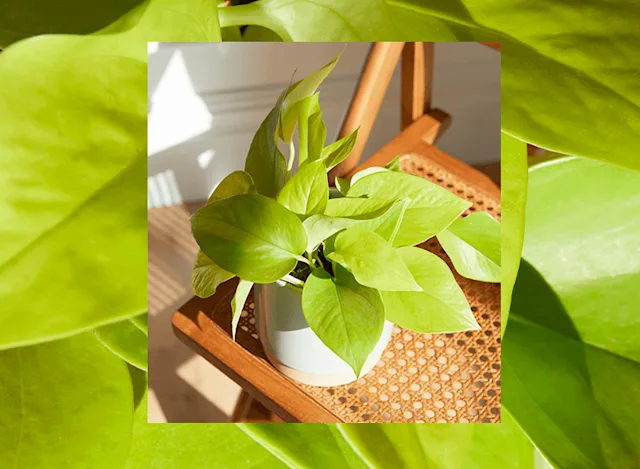
Top tips on caring for devil’s ivy
In the wild, devil’s ivy is notorious for overgrowing tree trunks and forest floors. But, as an indoor houseplant, they’re a little tamer. Although they can still trail up to 20 metres long, so it’s probably best to stick them on a shelf high up. And don’t worry, you’ve neglected yours for a little while - they’re very forgiving. And because of their long, heart-shaped leaves, they know how to stand out no matter where they’re placed, so you won’t forget them for long.
Here are some of our top tips on caring for your devil’s ivy.
1. Water every now and then
Devil’s ivy isn't a thirsty plant. So you can get away with watering them every 1-2 weeks in the summer and once a month in the winter. Just check on them weekly and feel the soil. If the top two inches feel dry, give it a top-up. The best part is, even if you do over or under water your devil’s ivy, it won’t make you feel bad. Just make sure that next time, you check the moisture and wait for the soil to dry out completely before giving it another drink.
2. Both bright and shady spots works for devil’s ivy
Devil’s ivy can thrive in both dark rooms and sunny spots. But they’re natural sunseekers, so they’ll grow a lot faster somewhere bright. The only thing they can’t handle is intense, direct sunlight as it can burn their leaves.
3. It’s a lover of humid environments
While any humidity level will do, devil’s ivy plants do prefer somewhere with lots of moisture in the air. So a bathroom or kitchen would be great for them. If you want to put yours somewhere else, like the living room or hallway, just make sure to give it a light mist every once in a while.
4. Try to mimic its natural habitat
Originating in tropical rainforests in south-east Asia, Indonesia and on the Solomon Islands, it shouldn’t be surprising to hear that devil’s ivy prefers warmer temperatures. We’d avoid putting it near drafty windows or doors, which can be a bit of a shock to their system. A room where the temperature is at least 18°C all year round would work perfectly.
5. Well draining soil is needed
Plenty of soil mixes work well for devil’s ivy, you just need to make sure that it’s well-draining. Cacti mix or orchid mix is ideal but the standard premium potting mixes are fine too. You could always mix in perlite or even lava rocks to help with draining and airing the soil too.
How to know when your devil’s ivy needs some TLC
It’s pretty easy to tell when your devil’s ivy needs a bit more attention than usual. So you should be able to realise and fix the problem right away.
Yellow leaves - If the leaves on your plant are turning yellow, that usually means there’s a problem with the watering. Feel the soil to see if you are under or overwatering. If it feels normal and you’re confident you haven’t done anything wrong, then it could just be ageing. Over time, some of the leaves might turn yellow and fall off which is absolutely normal and not anything you should worry about.
Curling leaves - Most of the time, curling leaves are a sign of a light issue. If it’s near a window, the sun might be a little too harsh for them. So try moving it to a shadier spot. Or, it may be trying to let you know that it’s thirsty. Under-watered pothos plants curl up to retain as much moisture as possible. A good drink should help to perk it up.
Droopy plant - Droopy plants are a tell-tale sign of underwatering. Try giving your devil’s ivy a good soak and change your watering habits so it doesn’t droop again.
When do I repot my devil’s ivy?
The great news is that devil’s ivy doesn't actually need repotting. In fact, they prefer being cramped. It makes them feel cosy. If the pot is too big you risk your plant dying. Because it’ll spend all of its time trying to grow its roots to fill the pot instead of growing new leaves. A larger pot also means more soil that will stay wet for a longer time (leading to root rot).
Your plant will be happiest in a regular-sized pot, around 200mm wide. Even if it does grow to be 20 metres long! If after a few years you notice the roots popping out of the pot, it still doesn't need to be repotted. But, you can if you really want to.
To repot your devil’s ivy, choose a pot that’s just slightly bigger than the last and make sure it has enough drainage holes in the bottom. Then, fill the pot with fresh, well-draining soil and create a little well in the middle for your plant. Take the devil’s ivy out of its original pot, being very careful to not damage the leaves or the root. Then pop it into the well, straighten it up and cover the roots with soil. Pat the soil nice and firmly so the plant doesn't move and give it a good, long drink.
Propagating a pothos
If you’re happy the pot your pothos is in, you could always propagate it instead. This means that not only do you get free plants - bonus! - you’ll also have a happier, healthier and fuller mother plant. To do this, you’ll need to trim the vines of the pothos directly below the lowest leaf node (the point where a leaf originates from). Then, cut the stem into individual nodes, making sure you leave a small piece of vine attached to the bottom of the leaf stem. Pop the pothos stems in a glass filled with water and leave it in a sunny spot so the roots can grow. When they have at least 1 inch of roots, remove them from the water and place them in a pot filled with fresh soil. And you be left with new baby pothos plants!
Different types of pothos plants
There are loads of different types of pothos. And each one is just as special as the other! They all have their own unique characteristics and appearances. Here are some of the most popular types:
Golden Pothos
The most traditional kind of pothos you’ll find is the golden pothos. With its heart-shaped, mid-green leaves splashed with creamy gold, it’ll always turn heads.
Marble Queen Pothos
If you’re looking for a variety that’ll really stand out, this is the one for you. Its green, heart-shaped leaves are flecked with white patches for a really striking look.
Neon Pothos
Neon pothos have a very distinct look about them as their leaves are bright chartreuse or golden yellow that deepens in colours as they age.
Jessenia Pothos
This type of pothos plant has mostly green leaves but are subtly marked with chartreuse. They’re actually pretty similar to the marble queen pothos as every leaf has different markings. But on this kind, they're a lot more subtle.
Pearls and Jade Pothos
The pearls and jade variety is one of the most eye-catching types of pothos plants out there. Its small green leaves with white and silvery-grey markings on the edges are hard to miss.
For more tips and advice on caring for your plants, check out our indoor plant care guide. Or, discover the best indoor plants to surprise someone with.

