
Prayer plant care guide
The Prayer Plant plant, or Maranta Leuconeura as it’s also known, is a beautiful low growing plant, native to South America. Named after an Italian physician and botanist of the sixteenth century, the Maranta is known for it’s moving leaves that stay flat during the day and then fold up at night. The nyctinastic movement that these plants exhibit is a response to changes in light, which earned them the name Prayer Plants
Take a look at this guide to learn everything you need to know to keep your little Prayer Plant plant as happy as it can be!
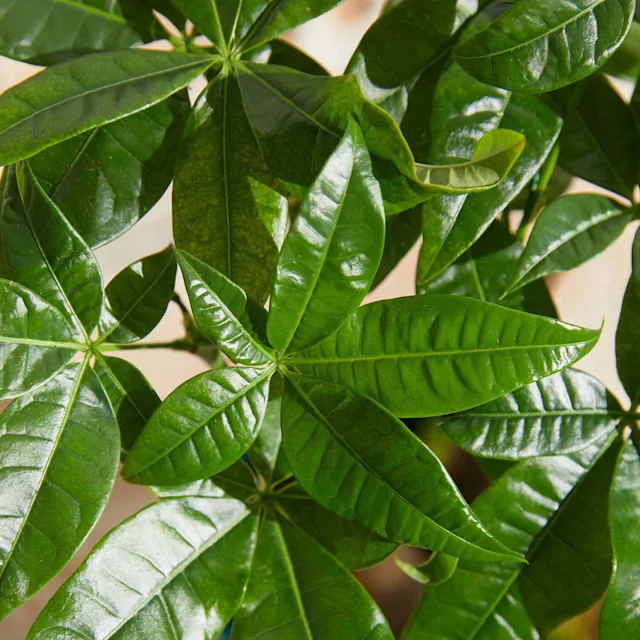
How to care for for a Prayer Plant plant
The Prayer Plant is one of the most distinguishable indoor plants thanks to its tricolour, deep green leaves. Their velvety finish and magic trick of curling up makes them a rather special plant that can be an ideal gift for a loved one.
The Prayer Plant can be deemed a little more challenging than some other plants, as they are native to light, humid places which can be hard to find if you live in an urban area of the UK. That said, these plants are great at brightening up kitchens or bathrooms and can find a comfortable forever home in the more humid areas of your house. If you’re looking to add some tropical bliss to your indoor space, the Prayer Plant can be the perfect accomplice.
Here are some of our top tips on how to take care of your Prayer Plant:
Water regularly to keep your plant hydrated
Your Prayer Plant enjoys regular watering - especially in the summer months. Luckily, the Prayer plant will let you know when they’re thirsty, as their soil will dry up and their leaves will look wilted and sad. Try to reach them before they get to this point though, because they can be known to die from drought . If you forget to water them for an extended period of time they might not make it, so be sure you stay on top of their watering schedule.
That said, it really is a balancing act with this plant, as too much water can make them susceptible to rot and fungus. To avoid this, simply check that the soil isn’t wet when you water them, as soggy soil and leaves are the main culprits that cause rot.
Remember they enjoy light, but not too much
Your Prayer Plant is versatile when it comes to sunlight. Whilst they won’t enjoy direct bright light that might torch their leaves, they will thank you for a little indirect sun here and there. Place them near a windowsill inside and you’ll find that they thrive, as it can emulate the kind of natural light they would receive on a forest floor.
Keep it humid
The Prayer Plant is used to swampy forests in South America, so it’s no surprise that they like warmer temperatures and high humidity. Areas like your kitchen and bathroom are likely to hold the most humidity. As long as your home is relatively warm (15 degrees celsius plus) your Prayer Plant will be happy in these more humid areas of your home.
While 15 degrees is the minimum temperature for these plants, for them to really grow it’ll need to be warmer than that. If you can place them in spots that are 18 degrees plus, they will really start to love their new home. Cold spots are a no no for these little guys.
Regular misting will help them thrive
Prayer plants can be demanding when it comes to their humidity levels. To keep them really happy, you could give them a light misting when they look a little dry and sad. Misting every day is ideal, but if that feels like too much, once a week will suffice. If you have other plants too, it’ll enjoy being close to them so they can all help improve the humidity levels for each other.
Fertiliser will help them grow glossy
The Prayer Plant wants to show off their velvety leaves that open and close, so a little fertiliser here and there will go a long way. While they may be slow growers, prayer plants love diluted fertiliser every few weeks during the growing season (March to September). Be patient with it and before you know it, its leaves will flourish into an evergreen display.
What are the signs and symptoms of an unhealthy prayer plant?
Sad, drooping leaves
When your Prayer Plant isn’t feeling its best, you need to be able to swoop in and save it. Knowing what’s wrong and how to make them feel better is key to making sure your plant lasts for years to come. Here are some of the most common problems you’ll see with this plant:
When the Prayer Plant is flourishing, their leaves will be matte, velvety and stretched out. When they’re not feeling great, their leaves will be dry and may wilt. This is a tell tale sign that your plant needs some H2O - and quickly! The Prayer Plant is known to dry out pretty quickly if they don’t get regular water, so keep an eye on how their leaves are looking and whether they’re too tired to open and close as they should.
Dry soil
Scorched leaves
This is less about the plant and more about its environment, however dry soil is a good indication that your prayer plant is thirsty. Your plant is used to moist, humid environments, so when their soil is dry it should be an alarm bell. Up your plant’s water intake, and offer daily misting until your plant’s soil can retain water again.
The Prayer Plant likes sunshine, but not too much. Just like humans, plants can get sunburn and if you leave your prayer plant in direct sunlight this is exactly what will happen. If the leaves on your plant are looking burned then sadly it’s been in the sun for too long and will need some time to recover. Move it to a shadier spot and allow it to cool down and revive itself.
The Prayer Plant is one of the best indoor plants for any home. If you need more advice on how to look after your indoor plants so that they thrive, look no further than our plant experts. Their indoor plant care guide covers all bases and will help you become an amazing plant parent.
Plus, if you want to browse more indoor plants, why not take a look at our full range of house plants that suit any space.