The origins of Valentine’s Day
The origins of Valentine’s Day can be traced back over 2000 years ago to ancient Rome. The festival of Lupercalia was held annually to celebrate the coming of spring and fertility. Young men and women would be paired up in a lottery system to choose their “valentine” and spend the day together. This pagan festival was eventually Christianized by the Catholic Church and became known as St. Valentine’s Day in honour of the Christian martyr, Saint Valentine.
Who was Saint Valentine?
The identity of Saint Valentine is shrouded in legend, and there are multiple accounts of who he might have been but the most widely accepted version associates him with a priest or bishop in Rome during the third century.
According to popular belief, Valentine lived during the reign of Emperor Claudius II. The emperor had banned marriages for young men, believing that single men made better soldiers. Valentine defied this decree and continued to perform marriages for young couples in secret. When his actions were discovered, he was arrested and imprisoned. While in prison, Valentine is said to have healed the jailer's blind daughter, and they developed a close bond. Before his execution on February 14th, it is believed that Valentine sent her a note signed "from your Valentine," which is considered one of the earliest Valentine's Day cards.
When did the customs of Valentine’s day evolve?
It wasn’t until the 18th century in England where the custom of exchanging romantic cards and gifts began to flourish. These cards were often handmade with lace and ribbons and featured love poems and messages of affection. The Victorians took this tradition even further, creating elaborate cards with intricate designs and complex messages known as “valentines.”

Valentines day & Floriography
The tradition of giving flowers on Valentine’s Day began during the Victorian era as well. Flowers were used to express emotions and convey messages of love and admiration. Floriography, the language of flowers, was a popular way to communicate these messages through the use of certain flowers and their symbolic meanings. For example, red roses have long been associated with love and passion, while a yellow rose symbolises friendship and joy.
Floriography became so popular during the Victorian era that entire dictionaries were created to help people understand the meanings of each flower. Victorian women were especially fascinated with this language and would often use it to communicate secret messages to their suitors or to subtly express their own feelings to others.
Evolving Valentines Day customs
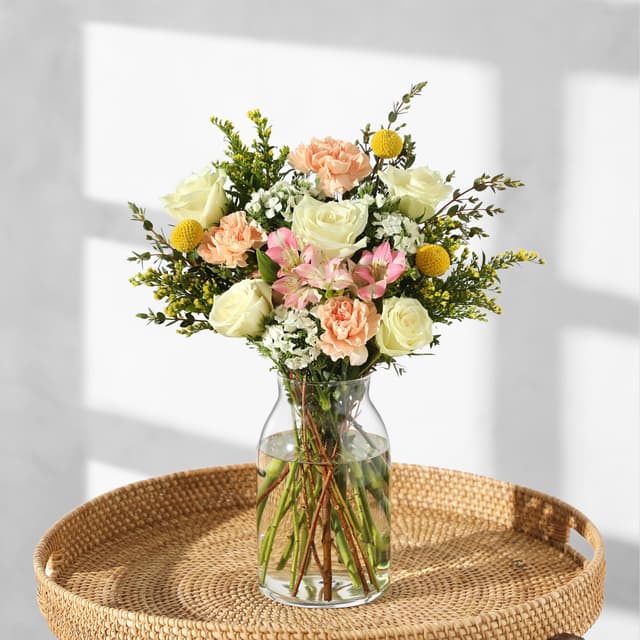
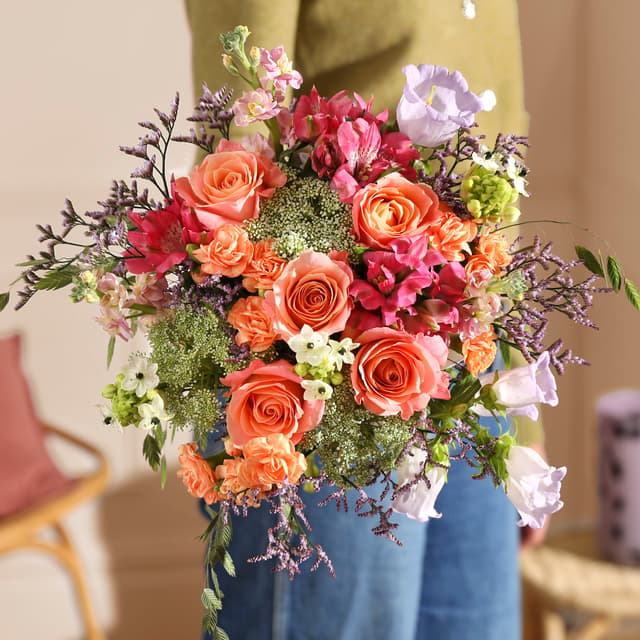
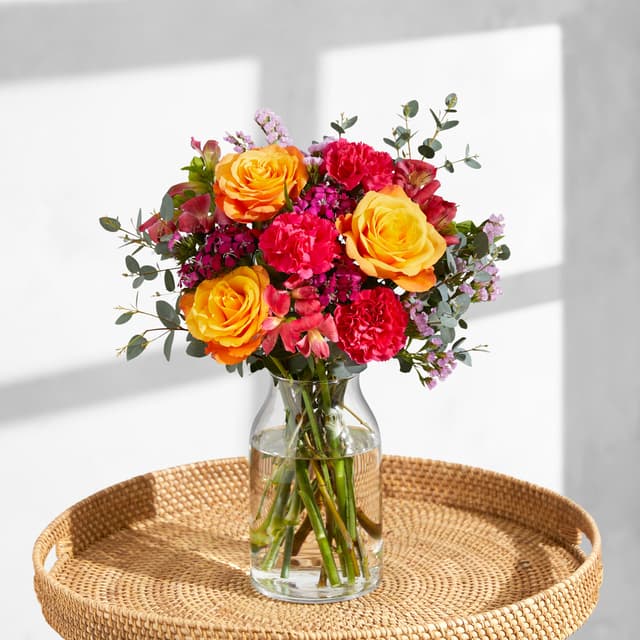
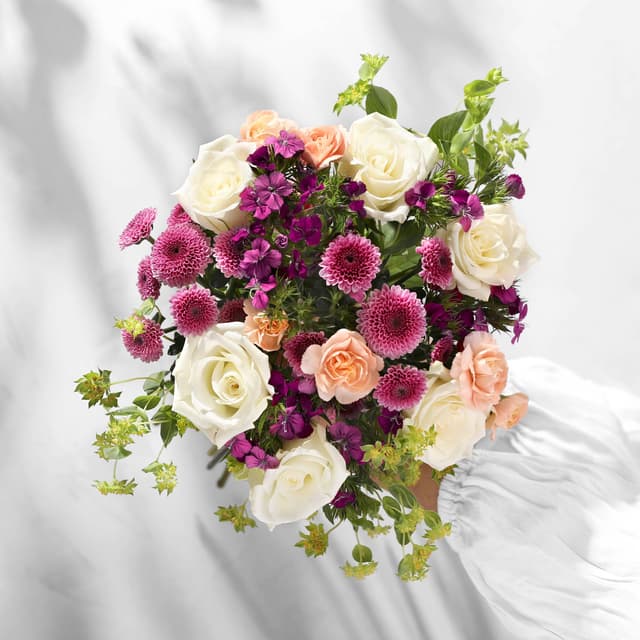
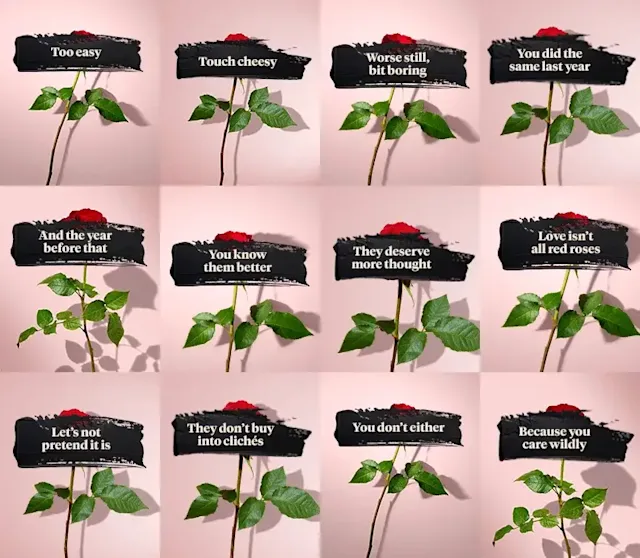
Despite red roses being the traditional way to express love, customs continue to evolve and since 2021 we no longer sells red roses for Valentine's Day. After more and more customers opted for pastel or bright bouquets in 2020 instead of traditional red rose bouquets, we conducted user research on the old red roses. In a survey of customers (both male and female), 58% thought red roses were cliché, 79% said they preferred a unique and thoughtful gift over something traditional like red roses, and 70% of women would prefer something else. Furthermore, 38% even considered red roses as a last-minute gift or a gift with little thought.
Today, Valentine’s Day and the language of flowers continue to be popular ways to express love and appreciation for one another. Flowers are still considered a traditional and thoughtful gift, and many people still enjoy learning about the hidden meanings behind each flower.
In summary:
Valentine’s Day is a celebration full of interesting history and customs. From its pagan roots to its Christianization and modern-day celebrations, Valentine’s Day has evolved into a day dedicated to expressing love and affection to those we care about. The language of flowers, or floriography, adds an extra layer of meaning and beauty to this special day. Next time you give or receive flowers on Valentine’s Day, take a moment to appreciate the rich history and symbolism behind this timeless tradition.
Looking for flowers or gifts for valentines day? We've got you covered. And we've written a guide on writing messages for Valentine's day, from the sentimental to light-hearted.