
A pet-friendly guide to flowers this Valentine's day
Valentine's Day is a time we show love, with approximately 4 million bouquets of flowers exchanged in the UK each year. While these beautiful blooms are a traditional symbol of affection, they can pose unexpected risks to our furry friends.
Many pet owners are aware of chocolate dangers—91% of dog poisoning cases involve chocolate, followed by grapes (54%). But for cat owners, lilies are a major risk, causing 40% of poisoning cases. Even when safely displayed in a vase, certain flowers can be hazardous if curious pets decide to nibble.

The hidden dangers in your bouquet
Most pets tend to ignore flowers, but some curious cats and dogs may take a bite. To help you make safer choices, we've created this pet-friendly flower guide, using information from our partnership with Blue Cross Charity and pet expert Caroline Reay BVSc MRSVS, Head of Veterinary Services at Blue Cross.
Flowers to avoid
While these flowers are safe in a vase, if ingested, they may cause mild to severe reactions in pets:
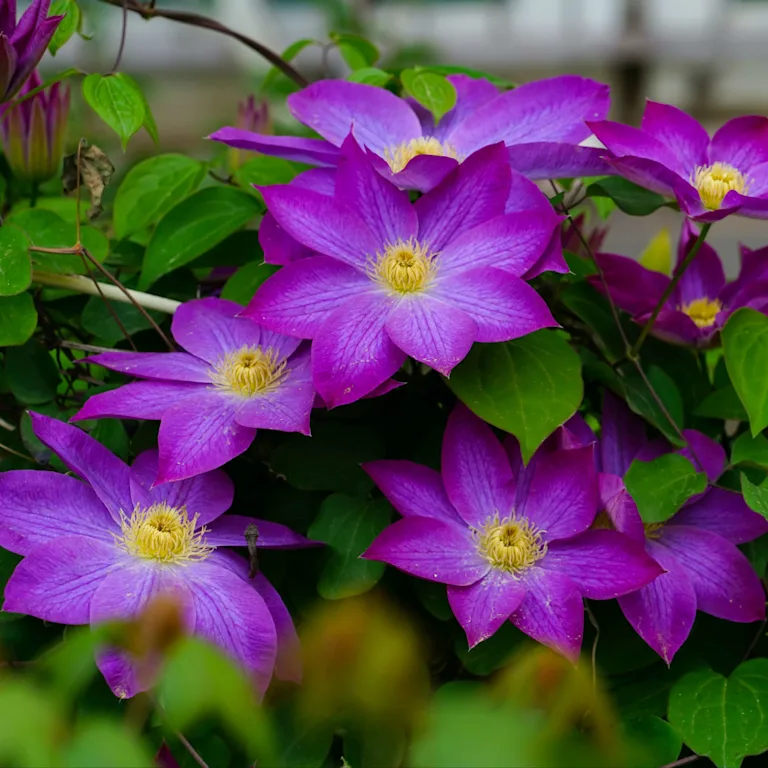
Clematis
Toxicity: Toxic to both cats and dogs
This climbing plant contains compounds that may cause digestive and nervous system reactions, such as drooling, vomiting, and diarrhea, if consumed.
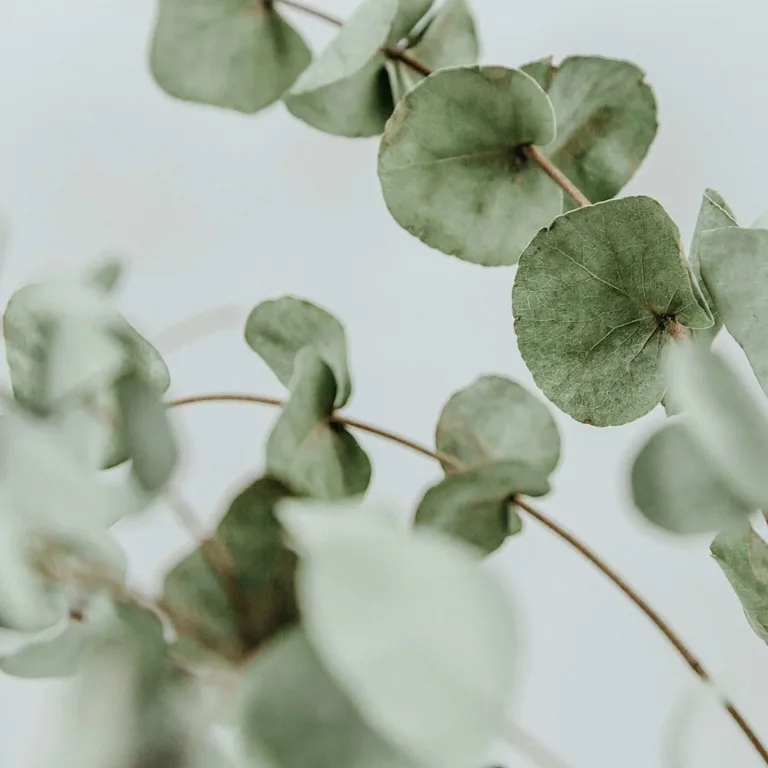
Eucalyptus
Toxicity: Highly toxic to both cats and dogs.
Often used in decorative arrangements, eucalyptus can cause salivation, vomiting, diarrhea, and weakness if ingested.
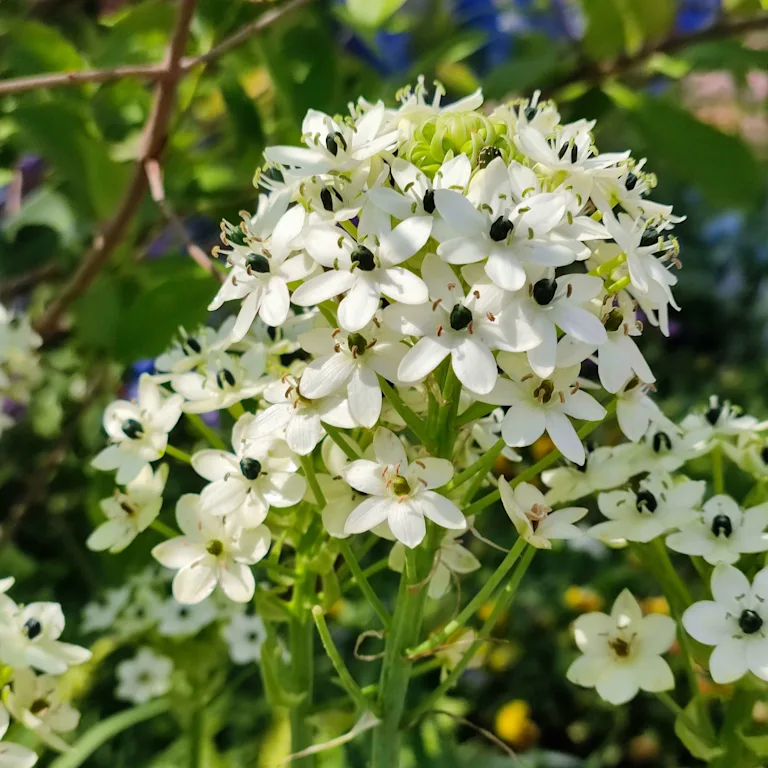
Ornithogalum
Toxicity: Toxic to both cats and dogs These star-shaped flowers can cause digestive upset, including vomiting and diarrhea, in the event that pets decide to chew on them.
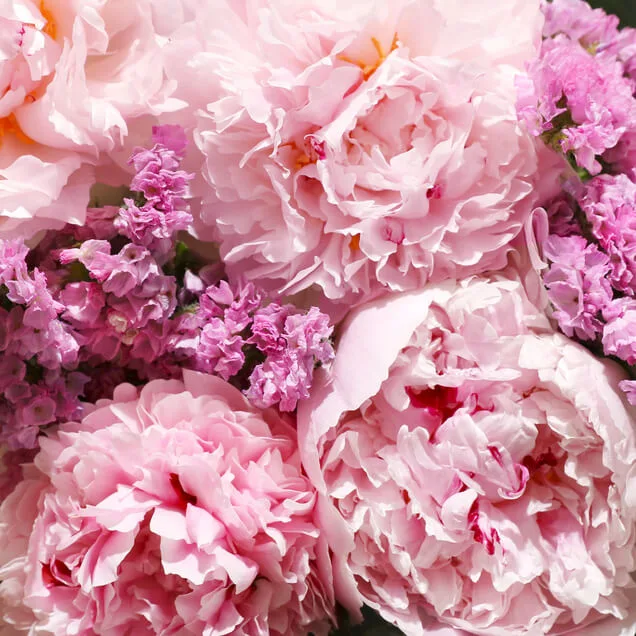
Peonies
Toxicity: Toxic to both cats and dogs Overview: Though beautiful, peonies contain toxins that may cause vomiting, diarrhea, and lethargy in pets who decide to sample them.
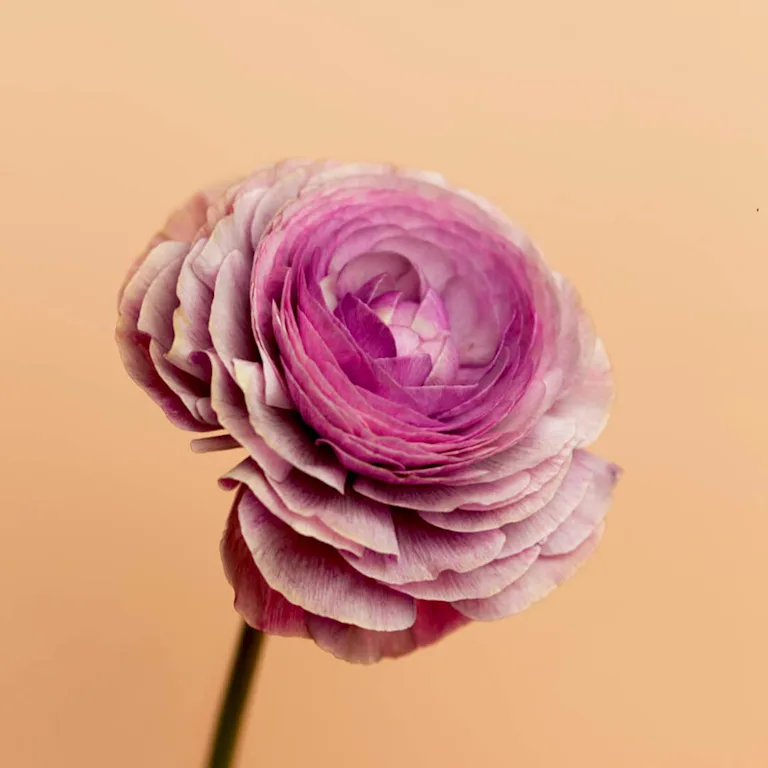
Ranunculus
Toxicity: Toxic to both cats and dogs. These delicate, multi-petaled flowers can cause mild mouth irritation, drooling, vomiting, and diarrhea if ingested.
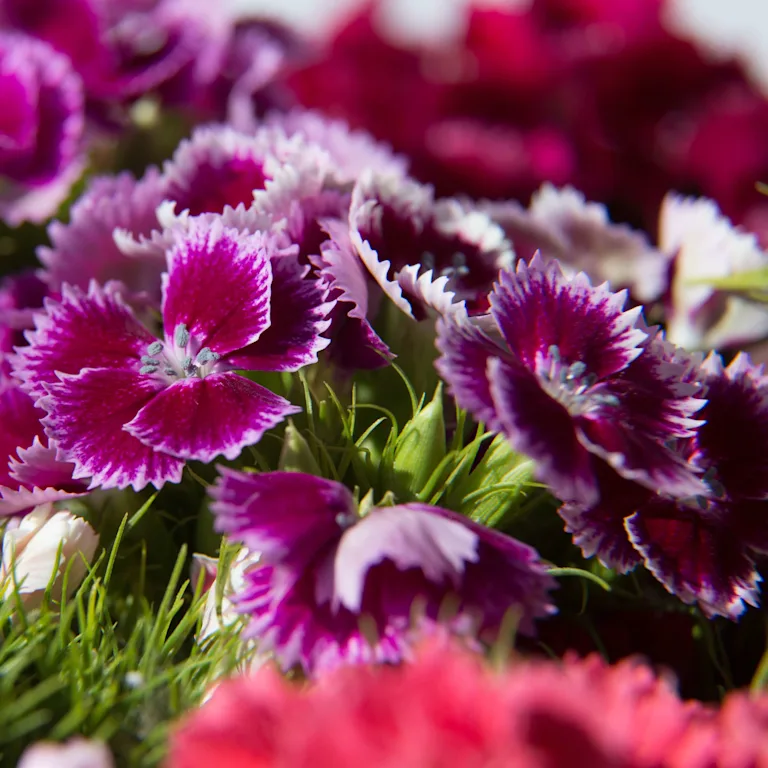
Sweet William
Toxicity: Mildly toxic to both cats and dogs. This traditional garden flower may cause mild gastrointestinal discomfort if eaten by pets.
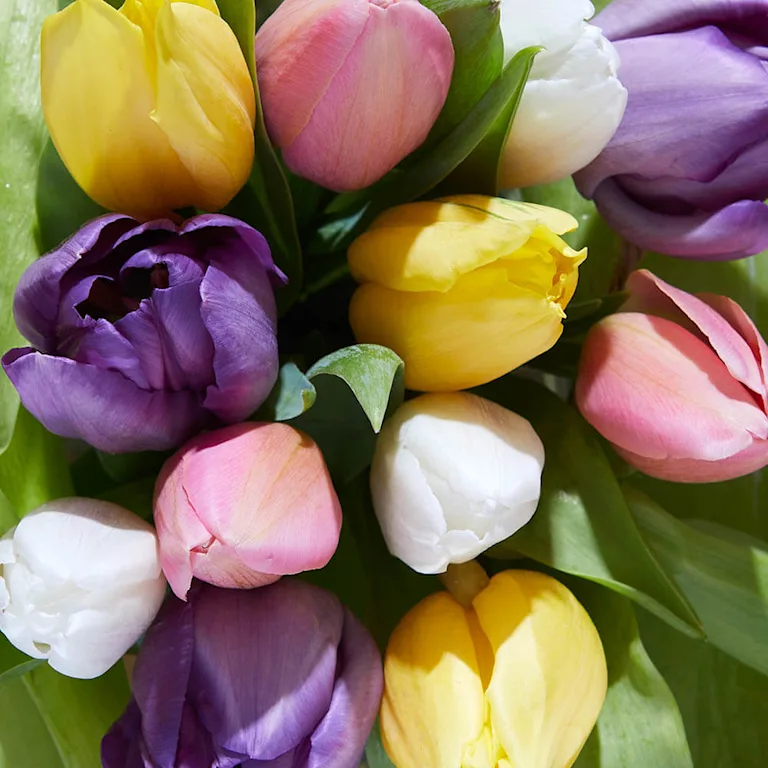
Tulips
Toxicity: Highly toxic to both cats and dogs, especially the bulbs. The bulbs contain compounds that may cause severe gastrointestinal distress and, in rare cases, nervous system issues if ingested.
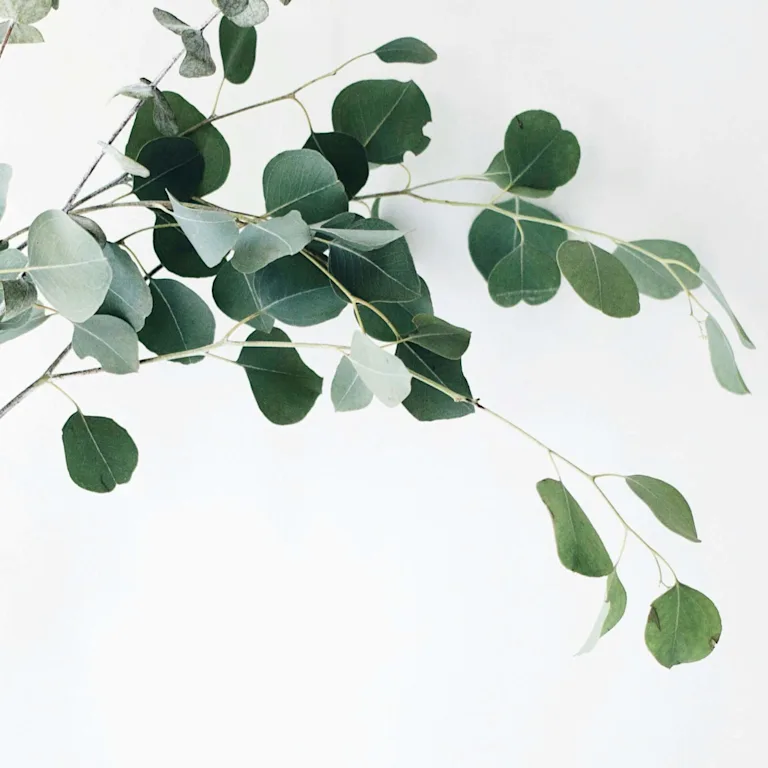
Ruscus
Toxicity: Toxic to both cats and dogs. This common greenery may cause vomiting and digestive upset in pets if chewed on.
Pet-safe alternatives
We recommend these beautiful, pet-friendly alternatives:
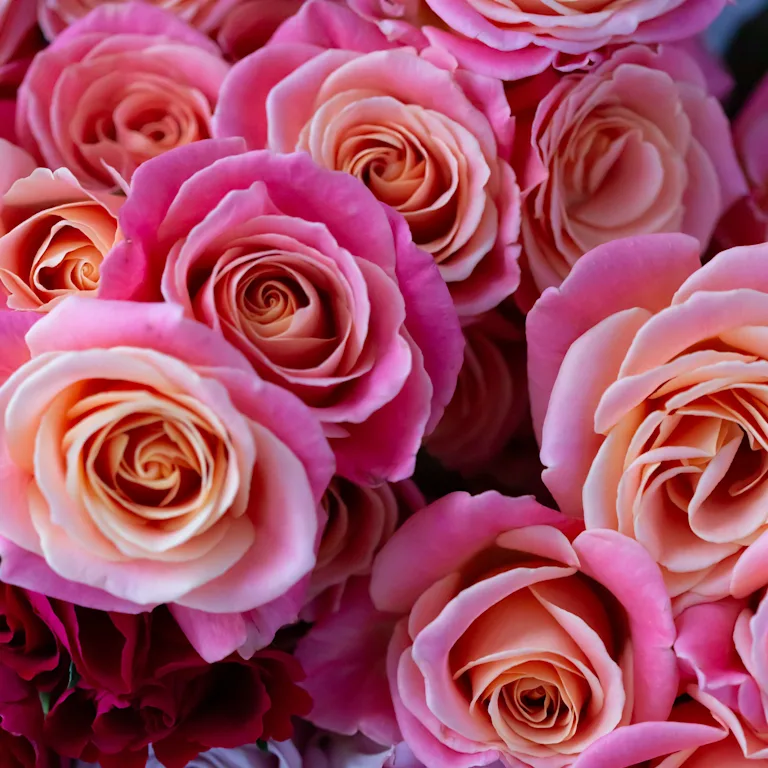
Roses
A timeless Valentine's Day classic, roses are generally safe for pets. While they don’t contain toxins, their thorns should be removed to prevent any accidental injuries to curious cats and dogs.
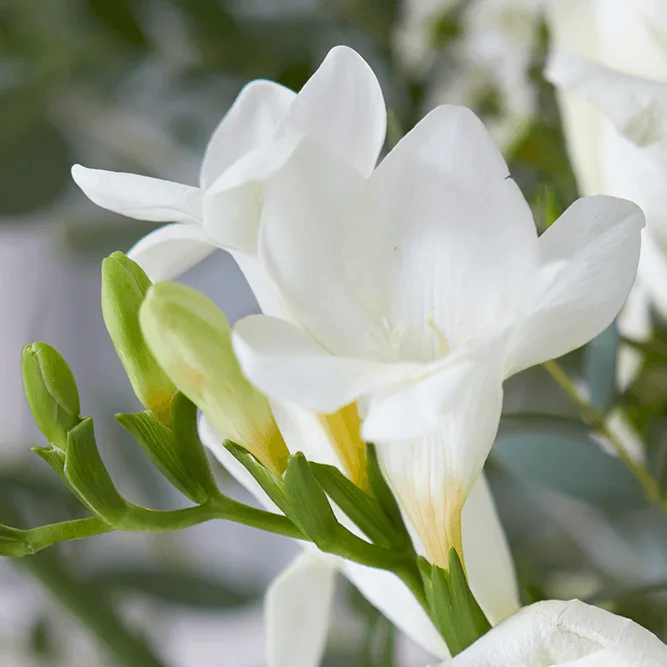
Freesia
Delicate and fragrant, freesia adds a wonderful splash of colour and light scent to bouquets. These blooms are completely pet-friendly, making them a great choice for homes with animals.
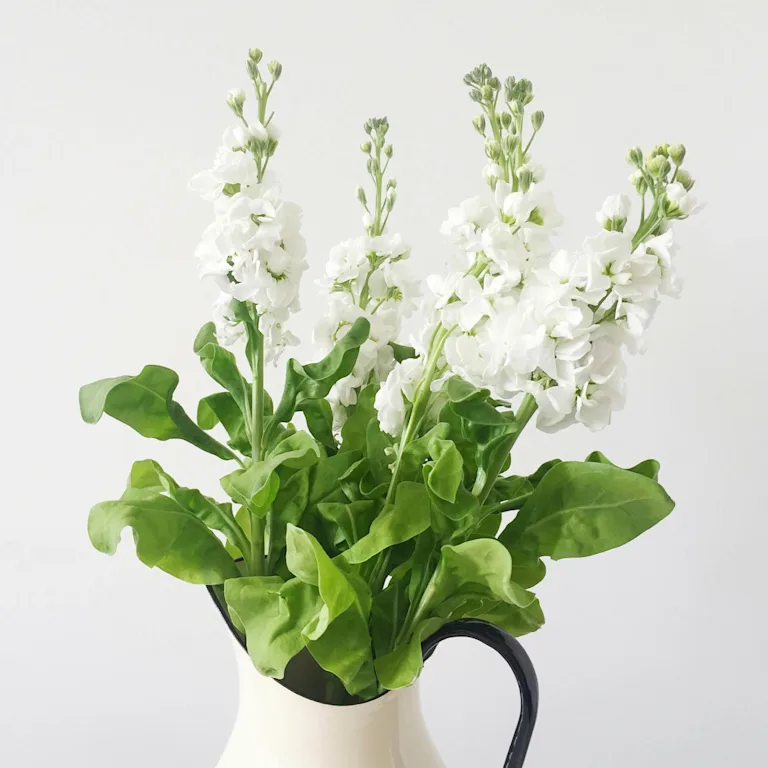
Stock
Known for its sweet, clove-like fragrance, stock is a beautiful and non-toxic option that adds volume and charm to floral arrangements.
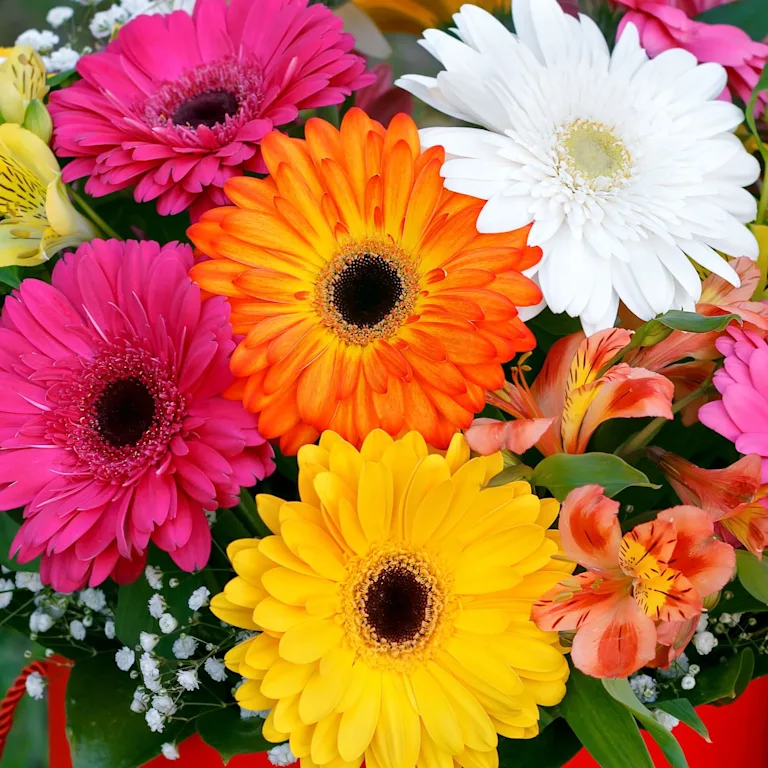
Gerberas
Bright and cheerful, gerbera daisies bring a pop of colour while being completely safe for pets. Their sturdy stems also make them a long-lasting floral choice.
Lisianthus
These elegant, rose-like flowers are pet-safe and add a touch of sophistication to any bouquet with their delicate petals and soft hues.
Orchids
Exotic and elegant, orchids are generally safe for pets. They require minimal care and can add a unique, sophisticated look to any home.
Snapdragons
Playful and whimsical, snapdragons are non-toxic to pets and bring a dynamic structure to floral arrangements with their tall, colourful blooms.
Additional considerations
Lilies: Highly toxic to cats and should be avoided entirely. Even small ingestions can cause acute kidney failure.
Poinsettias: Often thought to be highly toxic, poinsettias typically cause only mild irritation, including drooling and vomiting, if ingested.
Most pets will leave flowers alone, but if you're unsure, it's best to keep floral arrangements out of reach. If you want to be extra cautious, consider browsing our selection of non-flower and plant-related Valentine's gifts instead.
For a comprehensive list of toxic and non-toxic plants, visit the ASPCA's guide: ASPCA Toxic and Non-Toxic Plants